

Strategy5 min read
Per-User Pricing Is a Tax on Your Field Team
Per-user software pricing makes every driver, technician and inspector a cost to justify. Pricing on the work instead lets the whole field team take part.
Read articleBlog
Real stories from everyday operations.

Legacy IT systems, once essential, are now barriers to business growth. They introduce inefficiencies, delay decision-making, and hinder scalability. Sticking with outdated systems prevents businesses from staying competitive and responsive to market shifts.

The ability to respond quickly to challenges and opportunities is essential for businesses today. Without the ability to act on feedback promptly, organizations struggle to adapt, making them vulnerable to competitors who can move faster.

Email is a commonly used tool for sharing files, but it wasn’t built to handle the demands of modern operations management. Many businesses still rely on email to exchange documents and media, but this approach leads to more problems than it solves.

Attendance tracking often looks simple: employees mark their time, HR tallies the numbers, and payroll gets processed. But for many businesses, this process is still manual, relying on paper sheets, Excel files, or outdated punch cards.
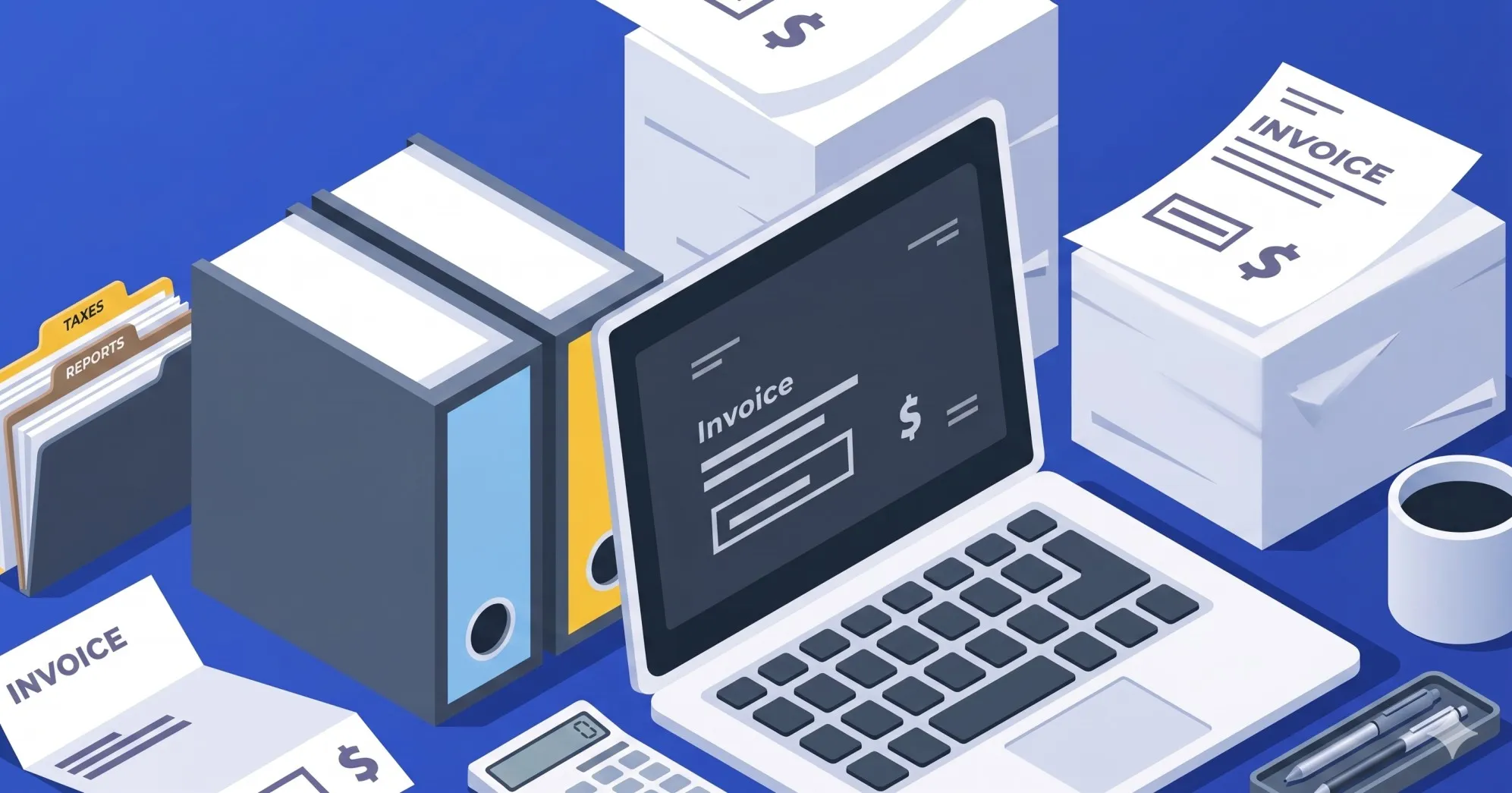
Invoice discrepancies are a common issue that many businesses face, but they go beyond simple mistakes. When invoices don’t match, it often signals deeper problems within business operations data errors, poor communication, and inefficient processes.

Incentive programs often fail, not because the rewards are wrong, but because they’re built on incomplete or disconnected metrics. When employees only see part of the picture, they optimize for what’s measured, even if it doesn’t align with the company’s true values.

Incentive programs often fail, not because the rewards are wrong, but because they’re built on incomplete or disconnected metrics. When employees only see part of the picture, they optimize for what’s measured, even if it doesn’t align with the company’s true values.
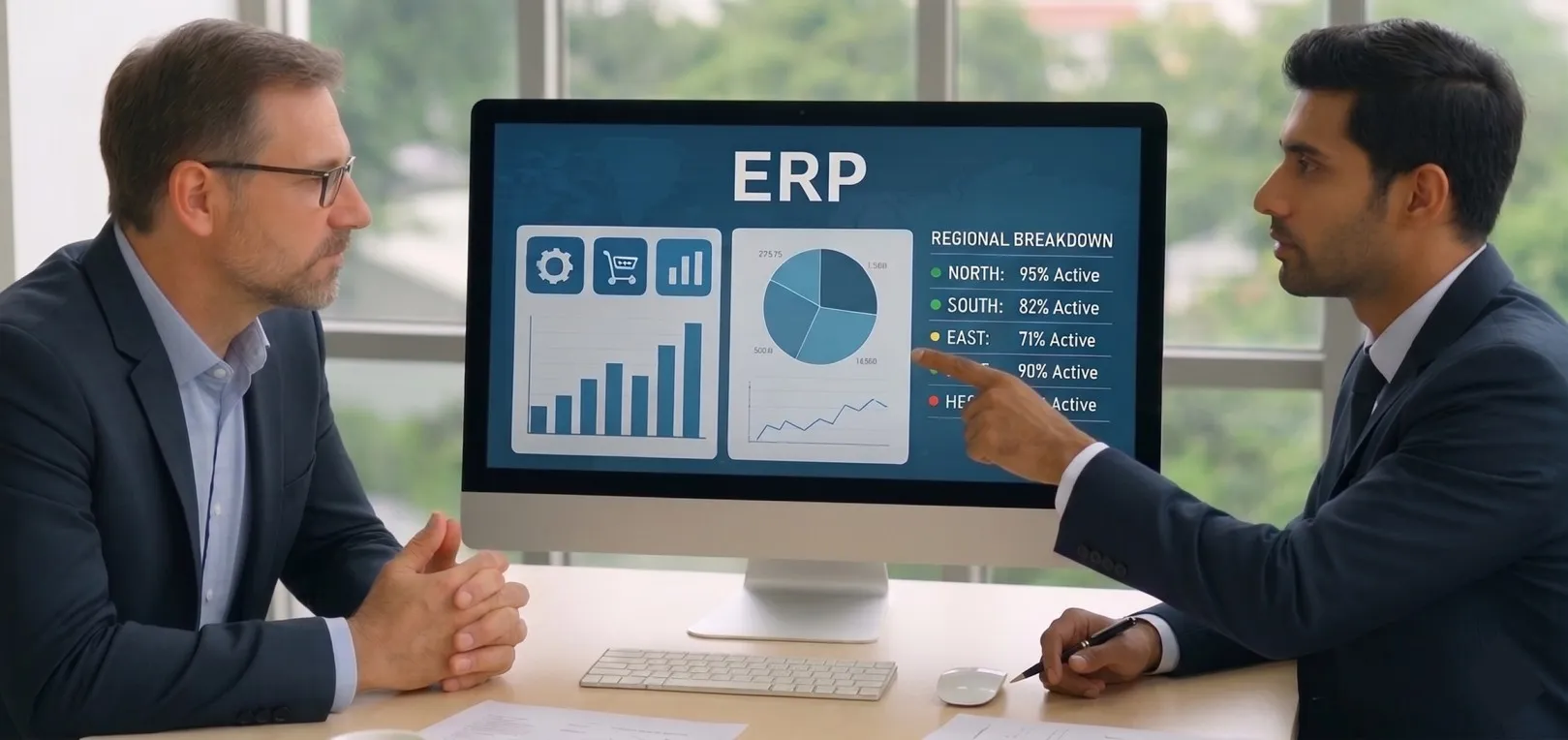
For decades, Enterprise Resource Planning (ERP) systems were sold as the ultimate backbone of business operations. They promised a single system to manage finance, HR, procurement, inventory, and compliance under one roof. For many companies, implementing an ERP was seen as a milestone proof that operations had reached maturity.

In the world of operations, not all delays are created equal. So why do alert systems often treat them the same? The outdated practice of escalating issues based on time if it's late, and sending an alert ignores the most important factor in decision-making: context.
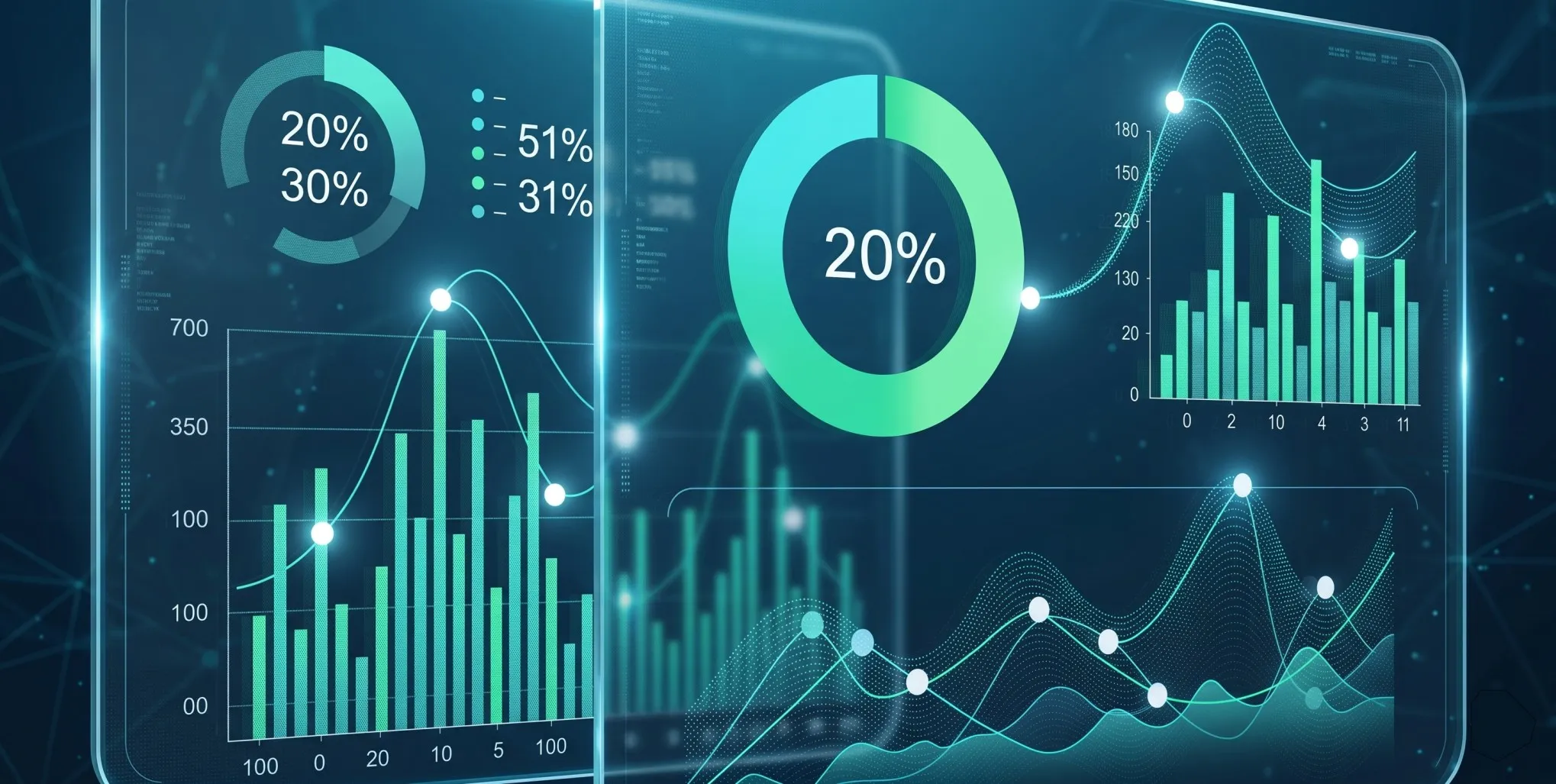
Your business collects vast amounts of data from customer interactions and sales reports to team performance but are your operations improving? For many organizations, the answer is a "no."

Automation is often marketed as the answer to every inefficiency streamlining workflows, speeding up execution, and improving decisions.
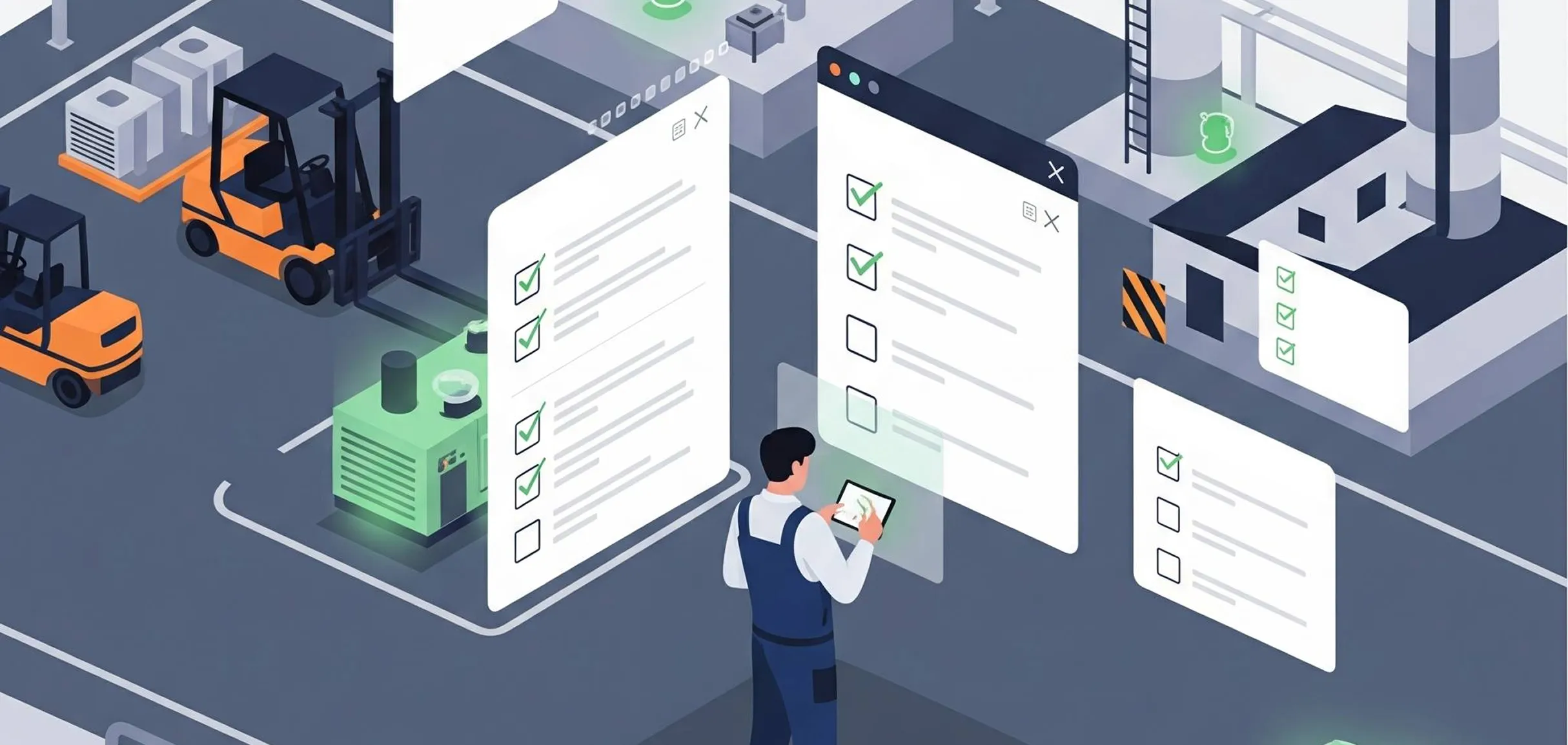
Every operations team has seen it happen: a forklift stalls mid-shift, a backup generator fails during a power cut, or a safety valve goes unchecked for weeks until a routine inspection flags it as non-compliant.
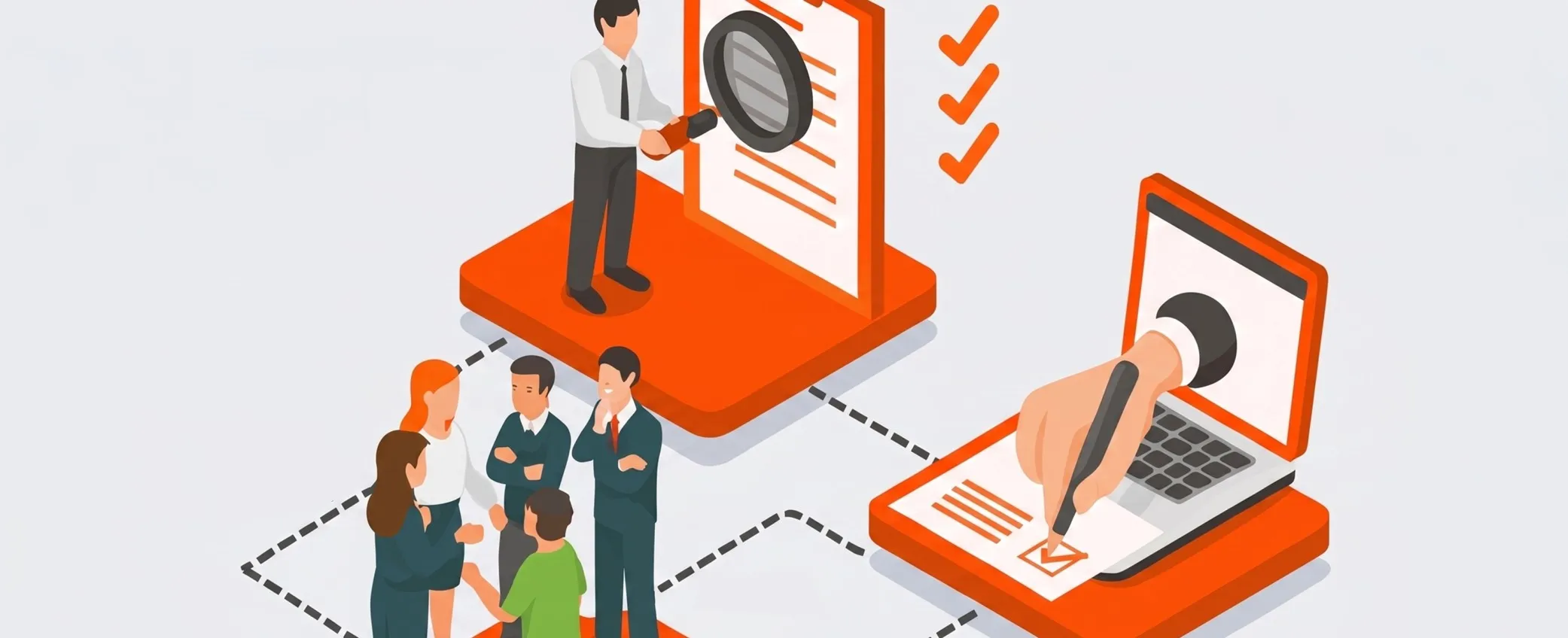
Approvals aren’t supposed to be this hard. But for most operations teams, they’re a daily bottleneck.
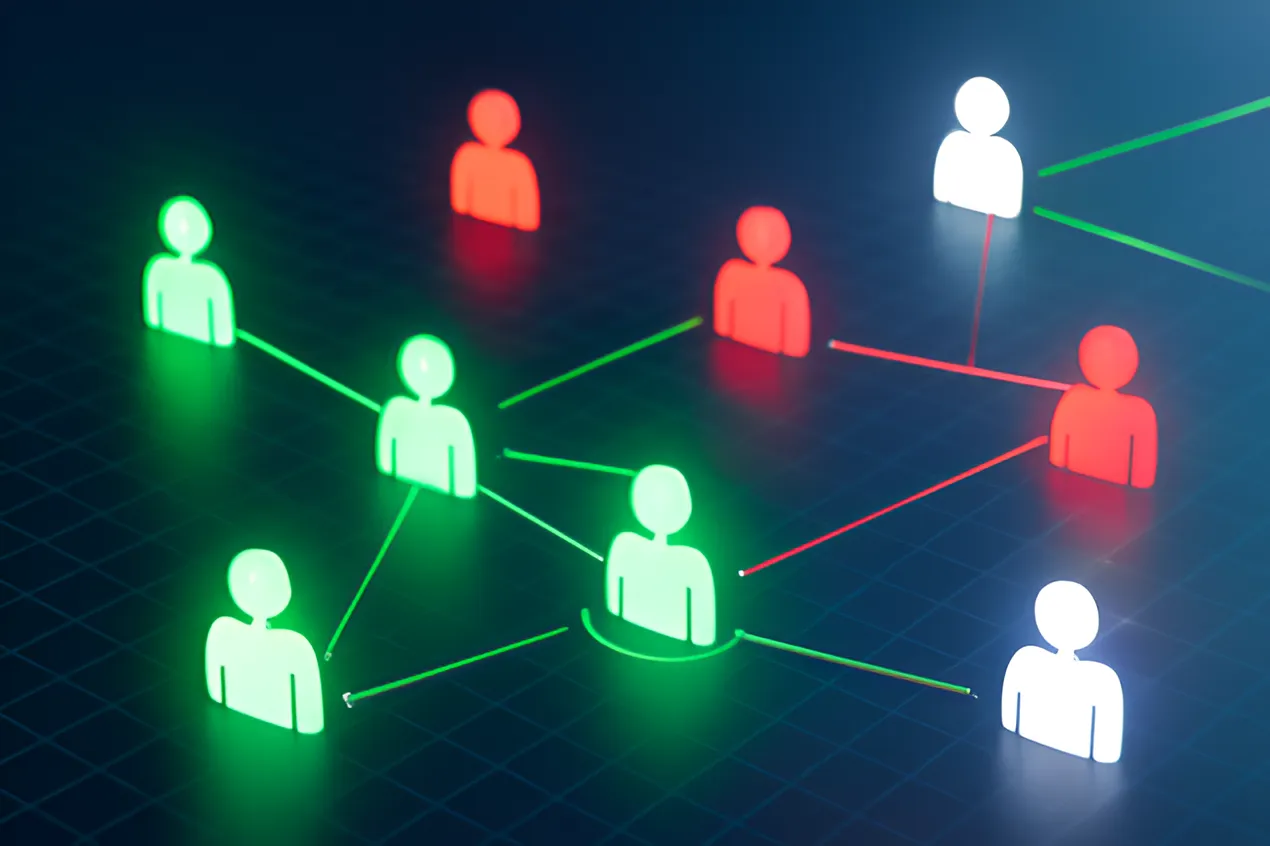
Schedules change. Engineers run behind. Workloads pile up. And somehow, everything still lands on the ops team’s plate
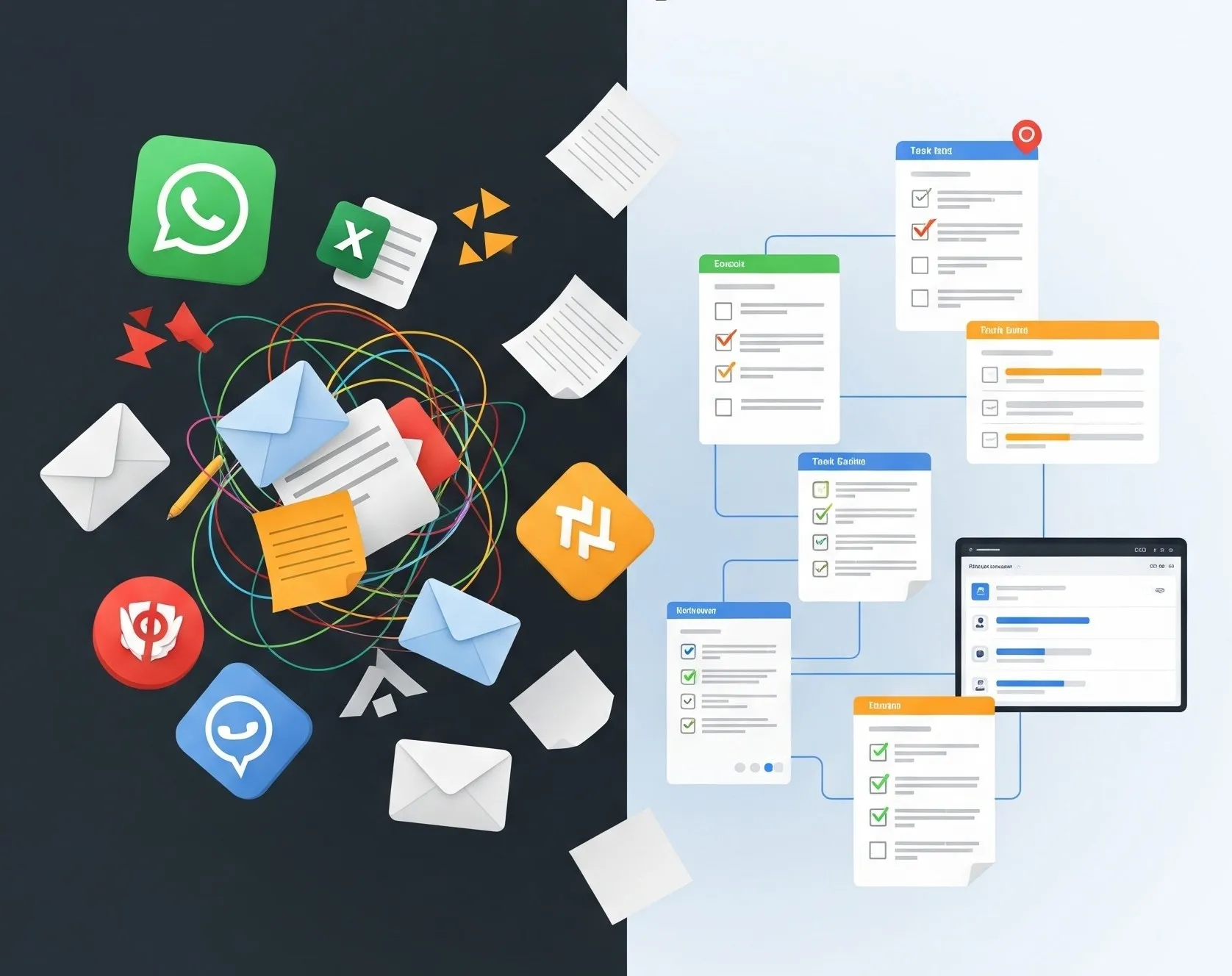
Let’s talk about how most operations actually run. Not in theory. Not in slide decks. But in actual work people deal with it every day.
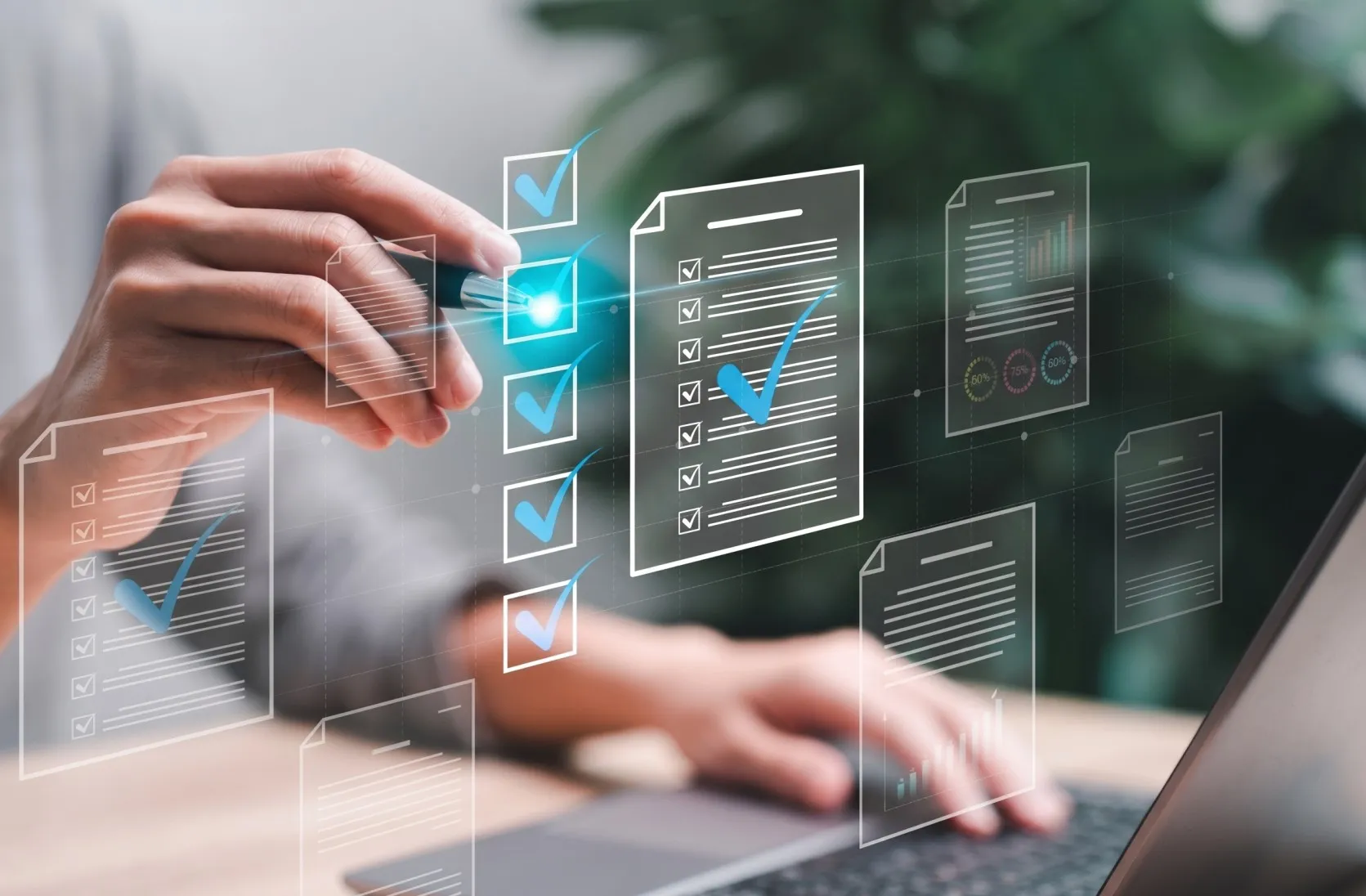
In field service, timelines matter. Whether it’s a scheduled installation or a critical repair, customers expect clarity and consistency. Service Level Agreements (SLAs) have long been used to set those expectations.

If your business sends teams out into the field, whether it’s for maintenance, inspections, installations, or deliveries, you already know how much can go off track. Vehicles hit traffic. Appointments run late.

In industries whether manufacturing, utilities, telecommunications, or logistics the work done by field teams is critical to maintaining smooth operations and customer satisfaction. These teams tackle issues on-site, perform repairs, conduct inspections, and keep the wheels turning. But the true power lies beyond the physical work itself; it's in how the information gathered during these activities flows back to the organization and is transformed into actionable insights.

While digital channels like apps and chatbots have gained popularity, phone support remains a cornerstone of customer service. According to a report by Influx, more than 50% of customers .
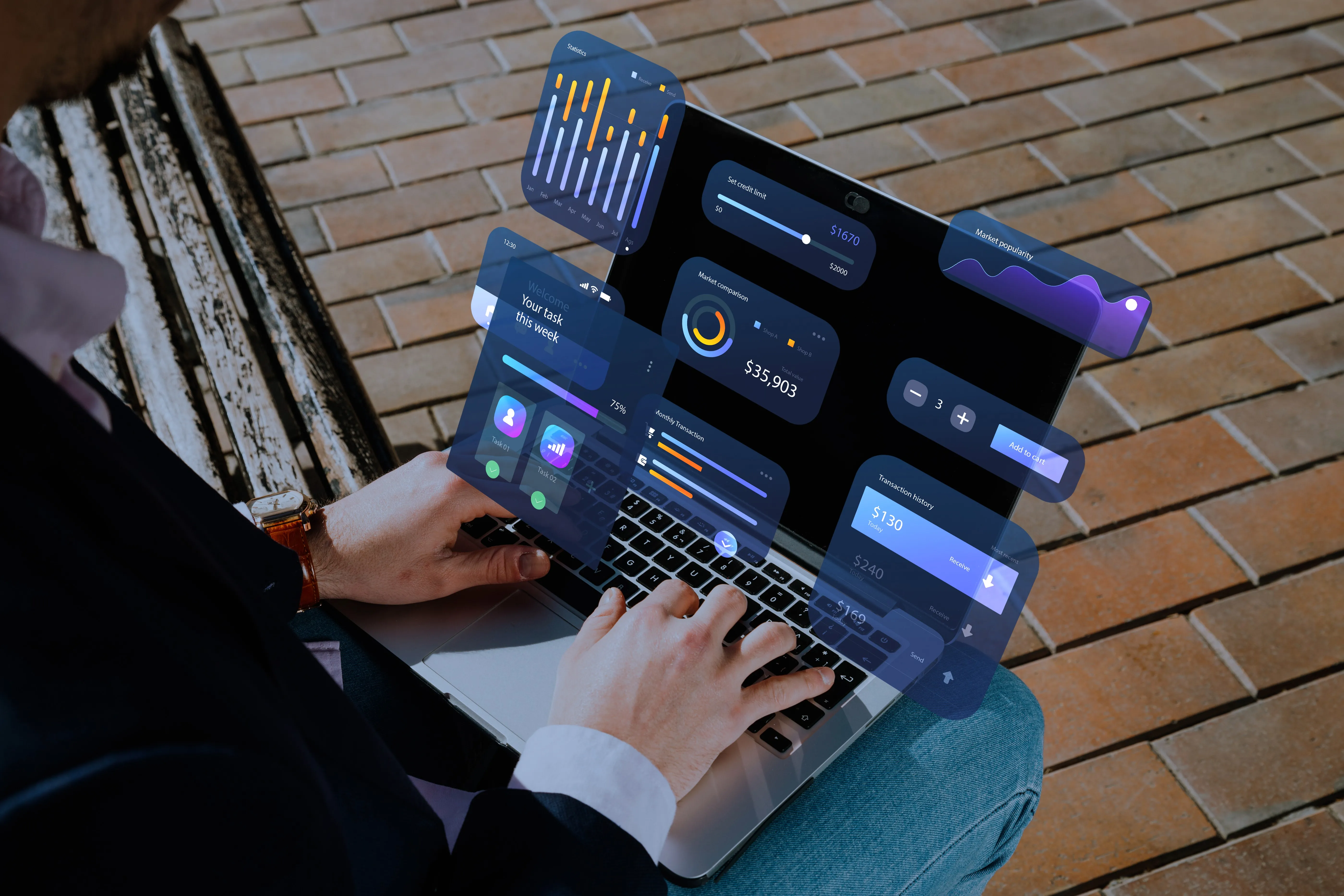
In the world of enterprise software, most solutions follow the SaaS model—tools delivered with standard feature sets, leaving teams to configure and adapt

In the competitive world of modern banking, what separates market leaders from the rest isn’t just capital or customer base it’s how well they run their operations behind the scenes.

Across most large banking teams especially in credit ops, verifications, collections, and field service—there’s a persistent, messy problem. And no, it’s not legacy tech or outdated interfaces.
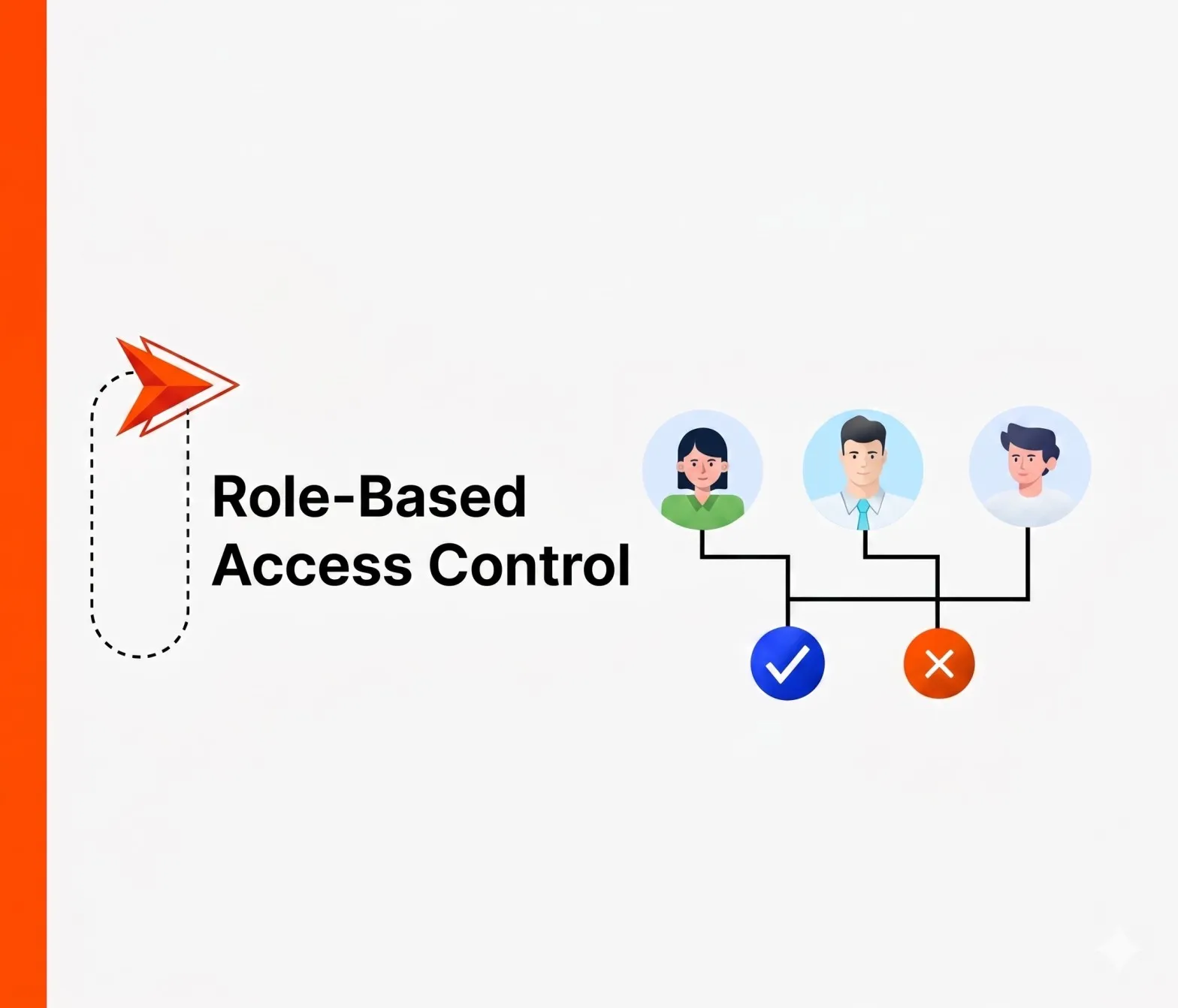
In the high-stakes world of field operations, giving the right access to the right people at the right time can make or break a project.

Is your field team swamped by paperwork and slow data entry? In today's dynamic work environments, keeping operations precise and lightning-fast can feel like a constant juggling act.

Waste management isn’t just about collecting and disposing of trash. It requires efficiency, regulatory compliance, and environmental responsibility.

I recently spoke with a loan officer who was tearing his hair out waiting for a property valuation. The delay threatened to hold up the entire process. This kind of scenario is all too common in the valuation world, where outdated.

The banking industry is in the midst of a digital revolution, and the changes are most visible in how banks handle crucial processes like loan approvals and property appraisals . I recently spoke with a loan officer who was tearing his
You're a field service professional who's been observing what seems like Artificial Intelligence taking over the world slowly but surely.