
Operations5 min read
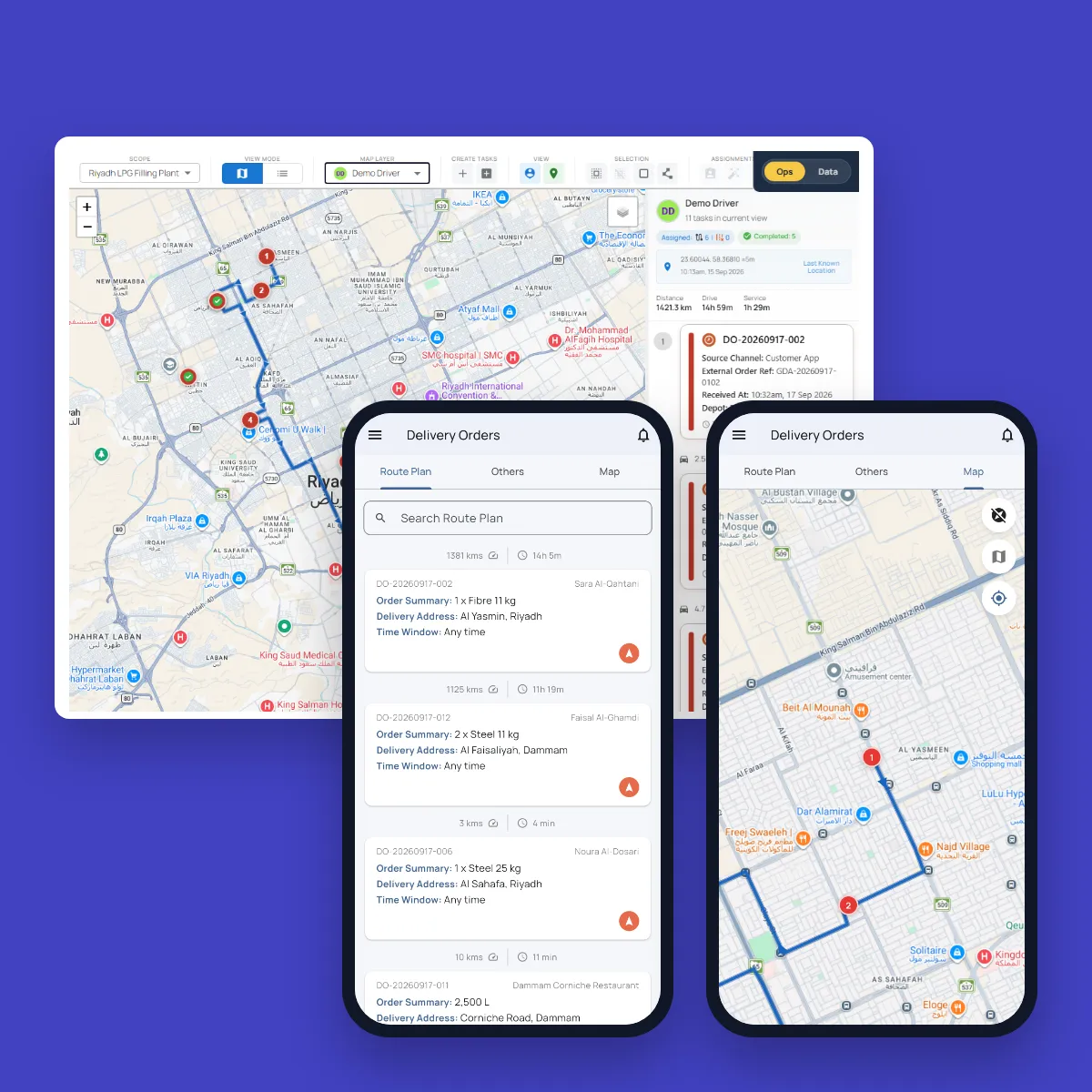
Proof of Delivery for LPG Cylinders and Bulk Fills
Scan every cylinder at the door, photograph the flow meter before and after a bulk fill, and let AI work out the litres. Proof the customer signs.
Blog
Real stories from everyday operations.
Scan every cylinder at the door, photograph the flow meter before and after a bulk fill, and let AI work out the litres. Proof the customer signs.

Written progress reports rarely arrive, and photos in a group chat lose their context. How to get photos and a spoken report from every site on the schedule you set, read in English, without driving there.

Material issued on paper is never proven to reach the site. Scan it out, scan it on arrival and compare the two to show finance what went missing.

How a utility moves an overdue account from notice to disconnection and back to supply: the steps, the records, the common failures, and where a field app helps.

You can have biometric attendance without buying a fingerprint or face machine for every site. How a terminal compares with face recognition on the worker’s phone, and when each one fits.

WMS in ADNOC is the work management system behind every permit to work. Its five key elements, the Job Performer and Area Authority roles, and WMS certification.

AMC management software tracks every unit under an annual maintenance contract, plans the visits and records the work. What it covers, and what to ask before you choose one.

Meter tampering makes a meter record less than was used. How utilities find suspect accounts, what an inspector must record, and where an inspection app helps.

A journey management system plans, approves and tracks work-related driving. What goes into a journey management plan, how journey risk is assessed, and where software helps.

A permit to work system controls high-risk jobs such as hot work and confined space entry. The permit types, the process from request to close-out, and where e-PTW software helps.
Flange management controls every bolted flange joint opened in a shutdown, so the plant starts up without leaks. The steps, the records and where software helps.
A maintenance management system plans preventive work, turns faults into jobs and keeps a history for every asset. What it does, and how to choose one.

What an HSE management system is, its core elements, the plan-do-check-act cycle, the KPIs clients ask for (TRIR, LTIF) and where HSE software helps.

Attendance tracking often looks simple: employees mark their time, HR tallies the numbers, and payroll gets processed. But for many businesses, this process is still manual, relying on paper sheets, Excel files, or outdated punch cards.
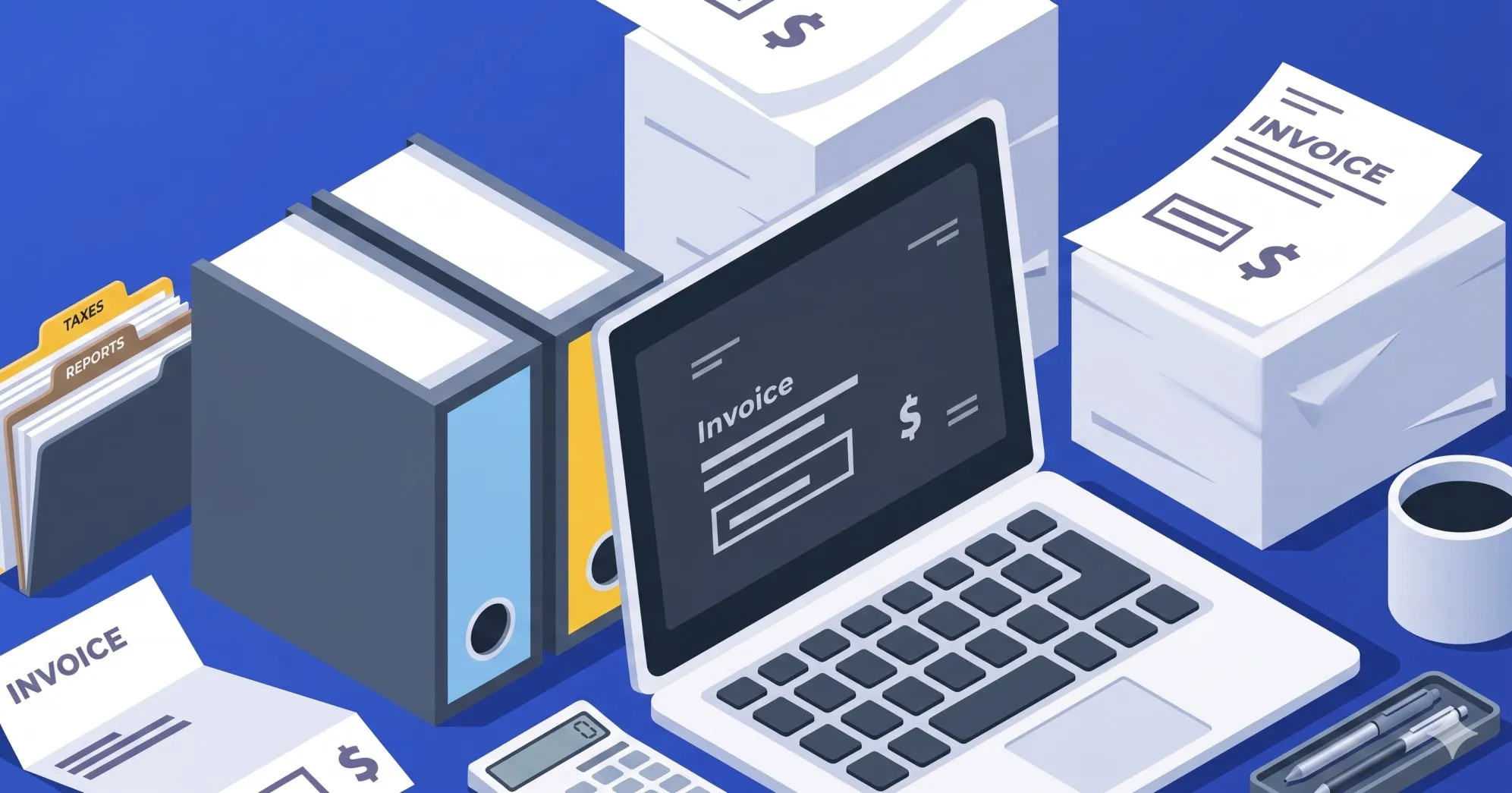
Invoice discrepancies are a common issue that many businesses face, but they go beyond simple mistakes. When invoices don’t match, it often signals deeper problems within business operations data errors, poor communication, and inefficient processes.

In the world of operations, not all delays are created equal. So why do alert systems often treat them the same? The outdated practice of escalating issues based on time if it's late, and sending an alert ignores the most important factor in decision-making: context.
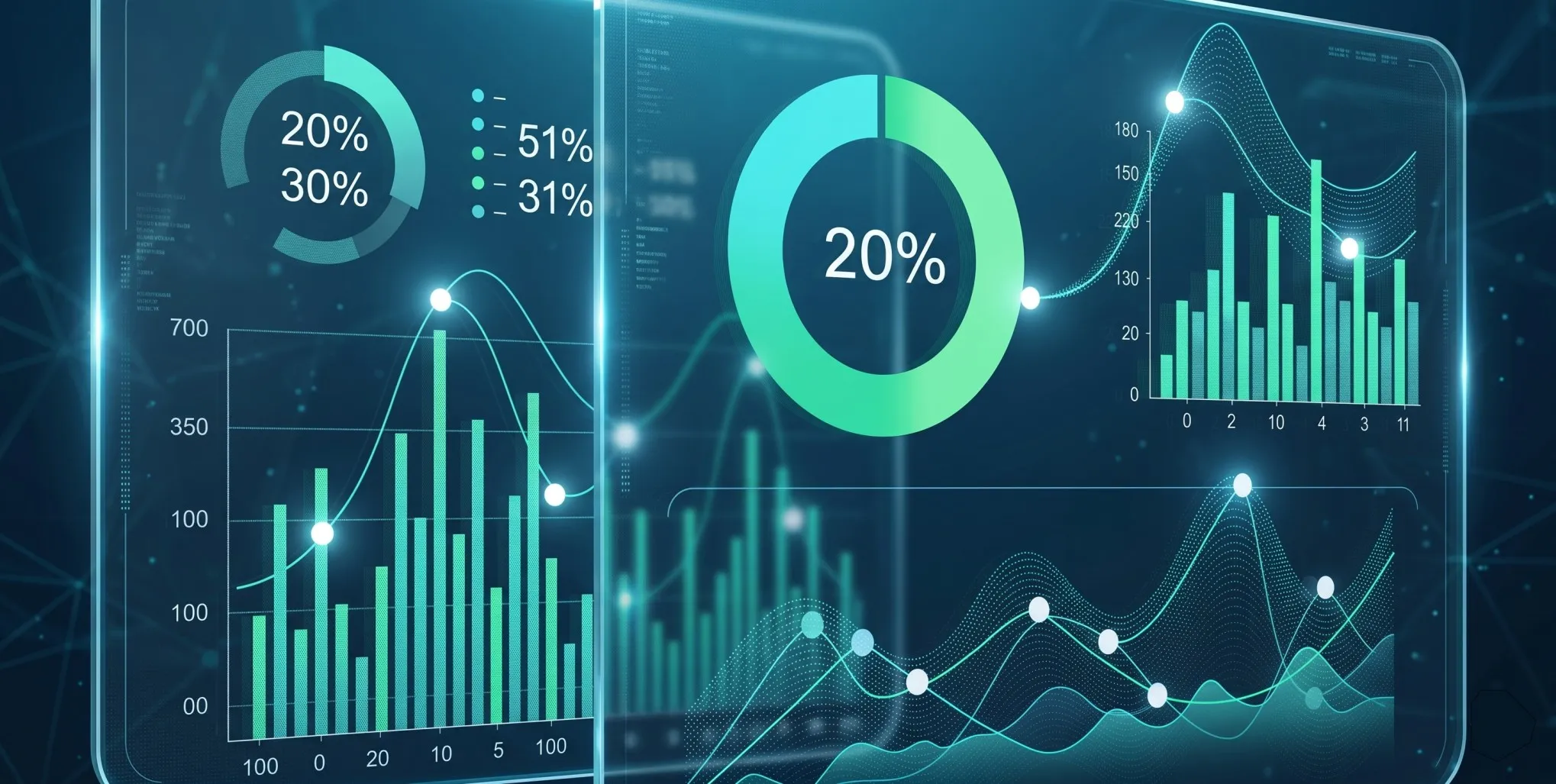
Your business collects vast amounts of data from customer interactions and sales reports to team performance but are your operations improving? For many organizations, the answer is a "no."

Automation is often marketed as the answer to every inefficiency streamlining workflows, speeding up execution, and improving decisions.
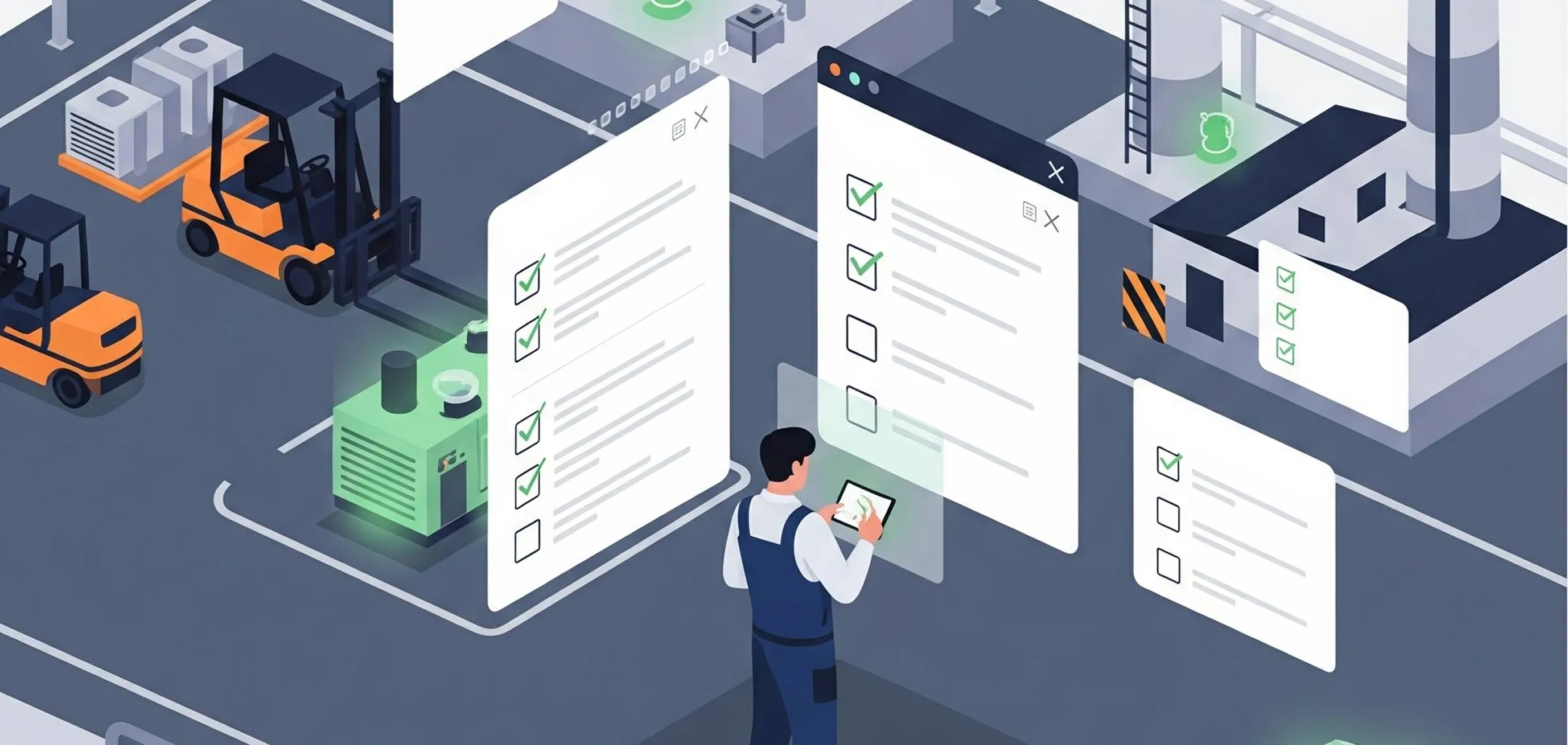
Every operations team has seen it happen: a forklift stalls mid-shift, a backup generator fails during a power cut, or a safety valve goes unchecked for weeks until a routine inspection flags it as non-compliant.

Approvals aren’t supposed to be this hard. But for most operations teams, they’re a daily bottleneck.

Schedules change. Engineers run behind. Workloads pile up. And somehow, everything still lands on the ops team’s plate

In field service, timelines matter. Whether it’s a scheduled installation or a critical repair, customers expect clarity and consistency. Service Level Agreements (SLAs) have long been used to set those expectations.

If your business sends teams out into the field, whether it’s for maintenance, inspections, installations, or deliveries, you already know how much can go off track. Vehicles hit traffic. Appointments run late.

While digital channels like apps and chatbots have gained popularity, phone support remains a cornerstone of customer service. According to a report by Influx, more than 50% of customers .

In the competitive world of modern banking, what separates market leaders from the rest isn’t just capital or customer base it’s how well they run their operations behind the scenes.

Across most large banking teams especially in credit ops, verifications, collections, and field service—there’s a persistent, messy problem. And no, it’s not legacy tech or outdated interfaces.
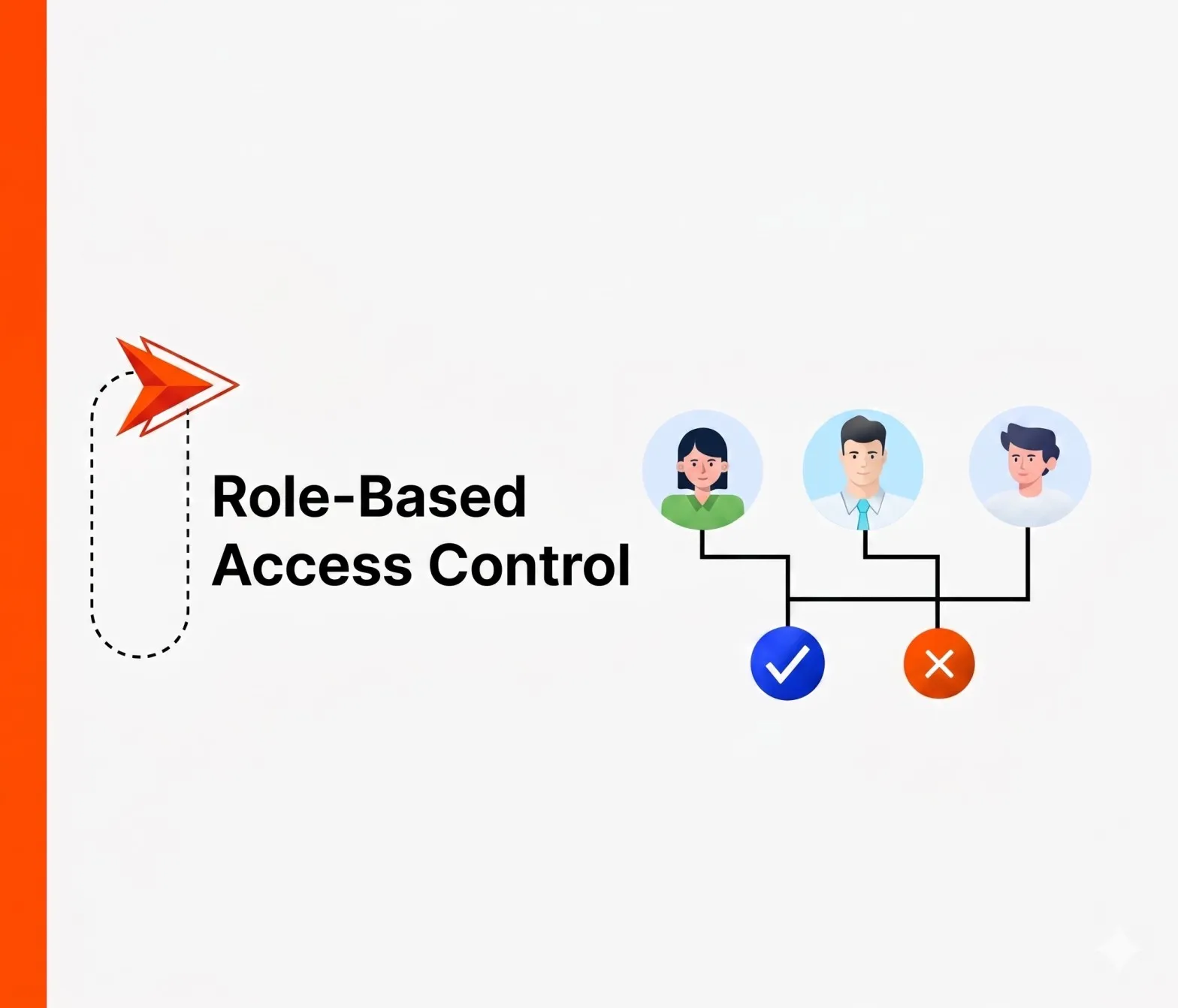
In the high-stakes world of field operations, giving the right access to the right people at the right time can make or break a project.

Waste management isn’t just about collecting and disposing of trash. It requires efficiency, regulatory compliance, and environmental responsibility.