Know Which Vehicles Are Ready, and Why the Rest Aren’t

Drivers check their vehicle at every clock-in, from their phone. Failed checks and breakdowns go straight to the workshop with photos and a response time, fuel is logged from a photo of the receipt, and dispatchers plan each shift with the vehicles that are actually ready. One Control Tower shows availability, documents, fuel and workshop jobs across every depot.


Driver in overalls and a cap checking a tablet in the cab of a van

The problem

Why Fleet Problems Are Found Too Late

In many fleets, the vehicle check is a paper form signed at the gate, if it happens at all. A worn tyre or a leak is noticed, but the note never reaches the workshop, and the same truck goes out again the next day.

Breakdowns are reported by phone, with no record of when the workshop responded or what was replaced. Fuel receipts pile up in the cab, registration and operating cards expire unnoticed, and at the start of a shift nobody can say how many vehicles are fit to go out.

Driver sitting in a truck cab reading a paper checklist

How it works

From the Morning Check to the Control Tower

Every check, repair, dispatch and fuel fill is recorded against the same vehicle, so nothing is copied from one list to another.

  1. Check

    Drivers clock in with a face check and complete the vehicle checklist on their phone, with the plate and odometer read from photos.

  2. Repair

    Failed checks and breakdowns become workshop jobs automatically, with photos, location and a response time.

  3. Dispatch

    Dispatchers assign drivers and vehicles for each shift, and vehicles off the road are listed with the reason.

  4. Monitor

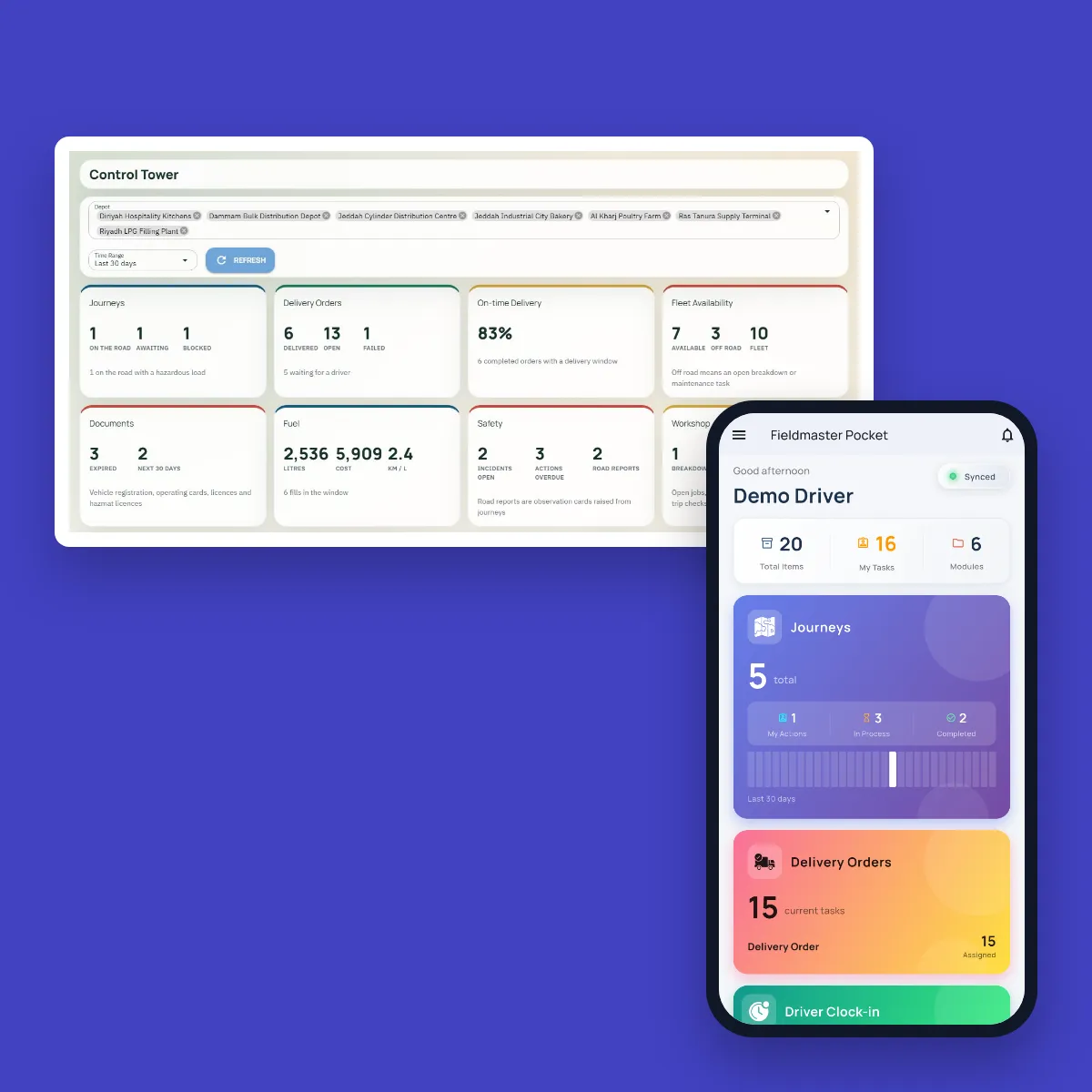
    The Control Tower shows availability, documents, fuel and workshop jobs across every depot.
Mobile app

Drivers Carry the Fleet System in Their Pocket

Clock-in with the vehicle check, breakdown reports, fuel fills, delivery orders and journeys all sit in one app on the driver’s phone. Drivers see their tasks for the day, and every check, photo and report reaches the Control Tower as soon as it’s saved.

The app works without signal and in each driver’s own language, so nothing waits until the driver is back at the depot.

Fleet Control Tower with journeys, delivery orders, fleet availability and fuel, next to the Fieldmaster Pocket home screen of a driver

Proof

Proven on the Road

Numbers from fleets and field operations in the GCC running on Fieldmaster.

  • 700+

    Vehicles tracked

    Checks, defects, repairs and fuel for every vehicle, in one record.

  • 600+

    Journeys a month

    Validated and tracked through Fieldmaster journey management, on the same platform.

  • 15M

    Service visits completed

    Field operations across the GCC and other international markets.

Outcomes

What Changes for Your Operation

  • No defect lost on the way to the workshop

    A failed check becomes a workshop job the moment the checklist is submitted, with the vehicle and photos attached.

  • Breakdowns answered on time

    The workshop is notified at once and accepts the job with an arrival time. Each breakdown type carries its own response time.

  • Shifts planned with ready vehicles

    Dispatchers see which vehicles are off the road, and why, before they assign drivers.

  • Fuel you can reconcile

    Every fill has a receipt photo and an odometer reading, so unusual consumption shows up per vehicle.

  • Documents renewed before they lapse

    Registrations, operating cards and driver licences expiring in the next 30 days are listed on the dashboard.

  • One history per vehicle

    Fuel, maintenance and breakdowns sit on the vehicle record, ready for audits and replacement decisions.

Why field focus matters

What Happens When Drivers Are Left Out

When the vehicle check is a form at the gate and breakdowns are phone calls, you can’t say which vehicles are fit to go out, or why the rest aren’t.

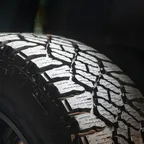
  • Close-up of the tread and sidewall of a large vehicle tyre mounted on a dark alloy wheel.

    Liable for checks nobody did

    The form is ticked at the gate in seconds, so a worn tyre or a leak goes out on the road with your signature on it.

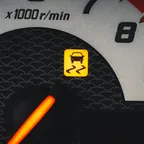
  • Instrument cluster with an amber traction-control warning light lit up beside the rev counter.

    The same truck breaks down twice

    A driver mentions a warning light, it never reaches the workshop, and you pay for the breakdown that follows.

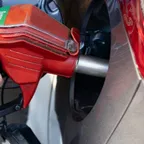
  • A hand holding a red fuel nozzle inserted into a vehicle's fuel filler.

    Fuel spend you can’t reconcile

    Receipts get lost in the cab, so you can’t match fuel to a vehicle and a driver, or spot where it’s going missing.

  • A red and orange warning triangle set up on the roadside verge beside a road.

    Vehicles off the road with no explanation

    Breakdowns are reported by phone with no photo or location, and you can’t see when the workshop responded or why the vehicle still isn’t back.