Meter Tampering Inspections With a Case File for Every Finding

Inspectors record tampered meters and illegal connections on the phone, with photos before and after the fix, the new seal number and the GPS location. Each finding gets a case number, an estimated loss and a report in the utility’s format. It is part of Utility Revenue Protection.
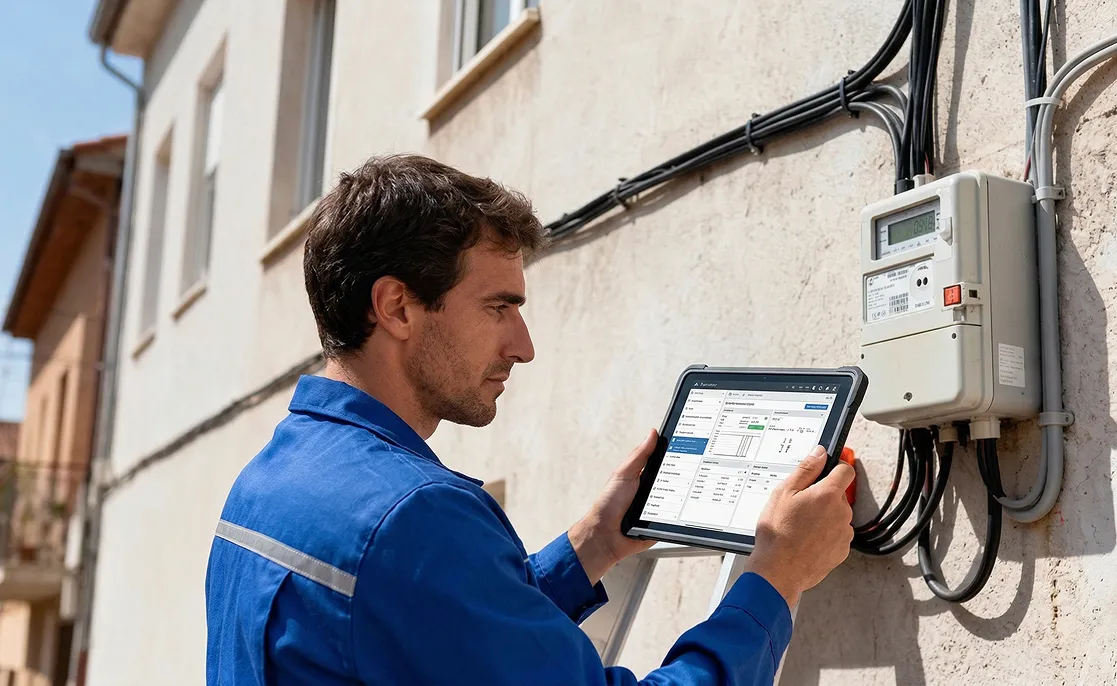
Technician in a blue uniform using a tablet next to an electricity meter mounted on a wall

The problem

A Finding the Utility Can’t Bill For

An inspector finds a bypassed meter, fixes it and writes it up on paper that evening. The photos are on a personal phone, the case number comes from a register in the office, and the report is typed days later from memory.

When the customer disputes the charge, the file doesn’t show what the meter looked like before the fix, where the photo was taken or which seal went on afterwards. Without that evidence the loss is hard to recover, and repeat cases at the same meter are hard to prove.

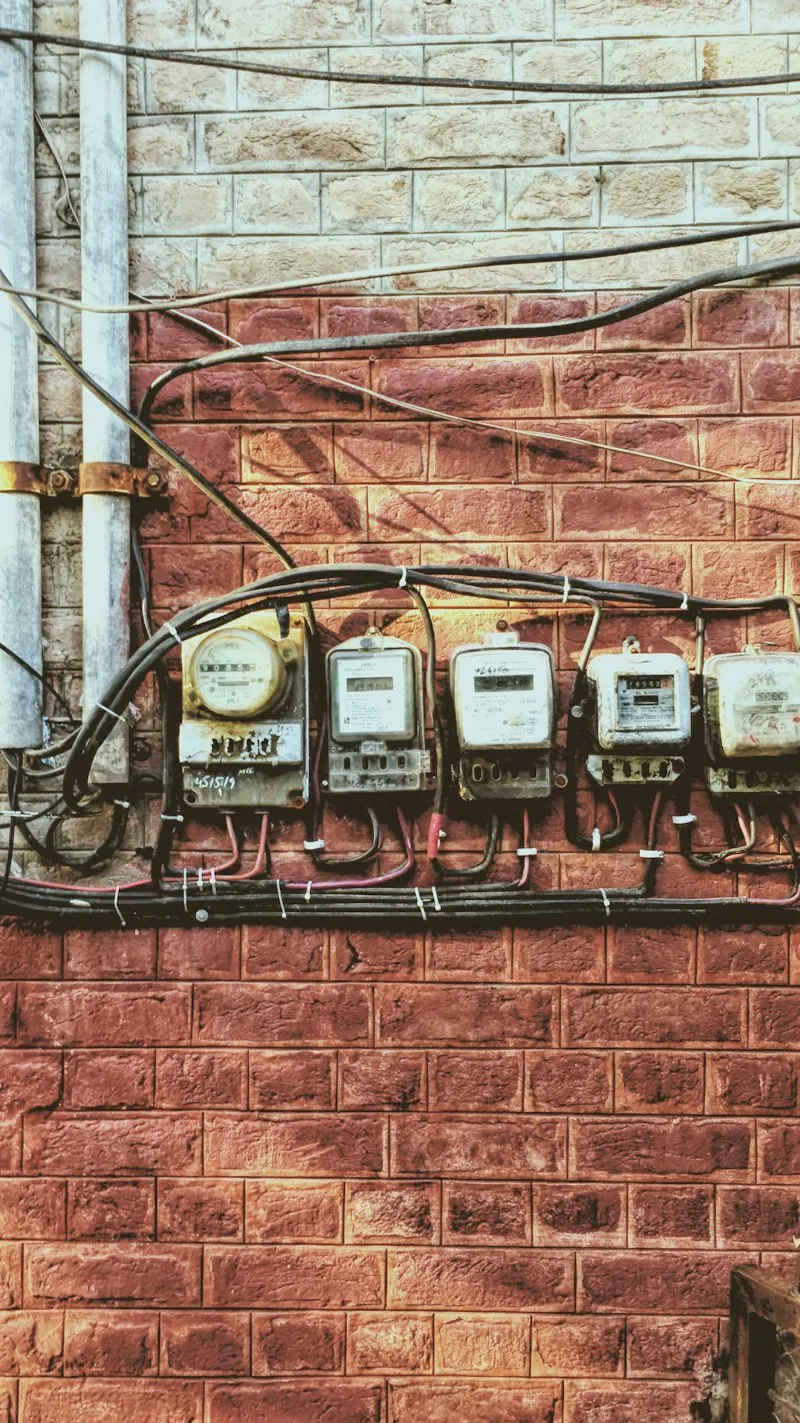
A row of five old electricity meters mounted side by side on a red brick wall, with cables running between them.

How it works

Six Steps From Suspect Account to Finished Report

The evidence is collected at the meter, and the report writes itself from it.

  1. Tasks created

    The office pastes a list of account numbers from Excel, and each becomes a task on the map.

  2. Proof of visit

    The inspector photographs the premises on arrival, with the GPS location and time on the photo.

  3. Condition recorded

    Tampered, illegal connection, internal tampering, faulty, burnt or door locked, with photos of what was found.

  4. Fixed and resealed

    Photos after the fix, the new seal number, and whether the supply was restored.

  5. Case number issued

    The app requests a case number while the inspector is still on site, one per meter per day.

  6. Report produced

    A tampering or illegal-connection report is built as a PDF, ready for the utility.

Evidence you can use

What Every Case File Contains

  • Before and after photos

    The meter as it was found and as it was left, each photo stamped with the location, the time and the inspector.

  • Automatic case numbers

    Numbered by type and year in your own format, so tampering and illegal connections each have their own series.

  • Estimated loss

    A loss percentage is taken from the kind of tampering found, using a table set up for your contract.

  • Account and meter matched

    A meter on site that doesn’t match the account on record is flagged for the office.

  • Reports in Arabic and English

    Tampering and illegal-connection reports as PDFs with Arabic text, downloadable one at a time or in bulk.

  • Daily, weekly and monthly figures

    Cases by type, by inspector and by area against targets, on a dashboard and in reports sent by email.

What the field link proves

Evidence Collected at the Meter, Not Written Up Afterwards

Paper inspectionFieldmaster inspection
PhotosPaper inspection

On the inspector’s own phone, with no location or time.

Fieldmaster inspection

Taken in the app, stamped with GPS, time and user. Fake GPS apps are rejected.

Case numberPaper inspection

Taken from a register in the office, later.

Fieldmaster inspection

Issued on site, one per meter per day, in your format.

The fixPaper inspection

A line of handwriting.

Fieldmaster inspection

After photos, the new seal number and whether supply was restored.

The reportPaper inspection

Typed up days later.

Fieldmaster inspection

Built from the visit record as a PDF in Arabic and English.

Repeat casesPaper inspection

Found only if someone remembers the address.

Fieldmaster inspection

Every case can be found by account or meter number.

Part of Utility Revenue Protection

Inspections Next to Disconnections and Meter Work

Anti-theft inspections run on the same platform as notices, disconnections and reconnections. A site visit after a disconnection can record an illegal reconnection in the same way, and move the account to the next step.

The same crews can also carry out meter tests, replacements and post-connection inspections, with a supervisor’s approval before a report is released. Electricity and water each have their own forms and rules.

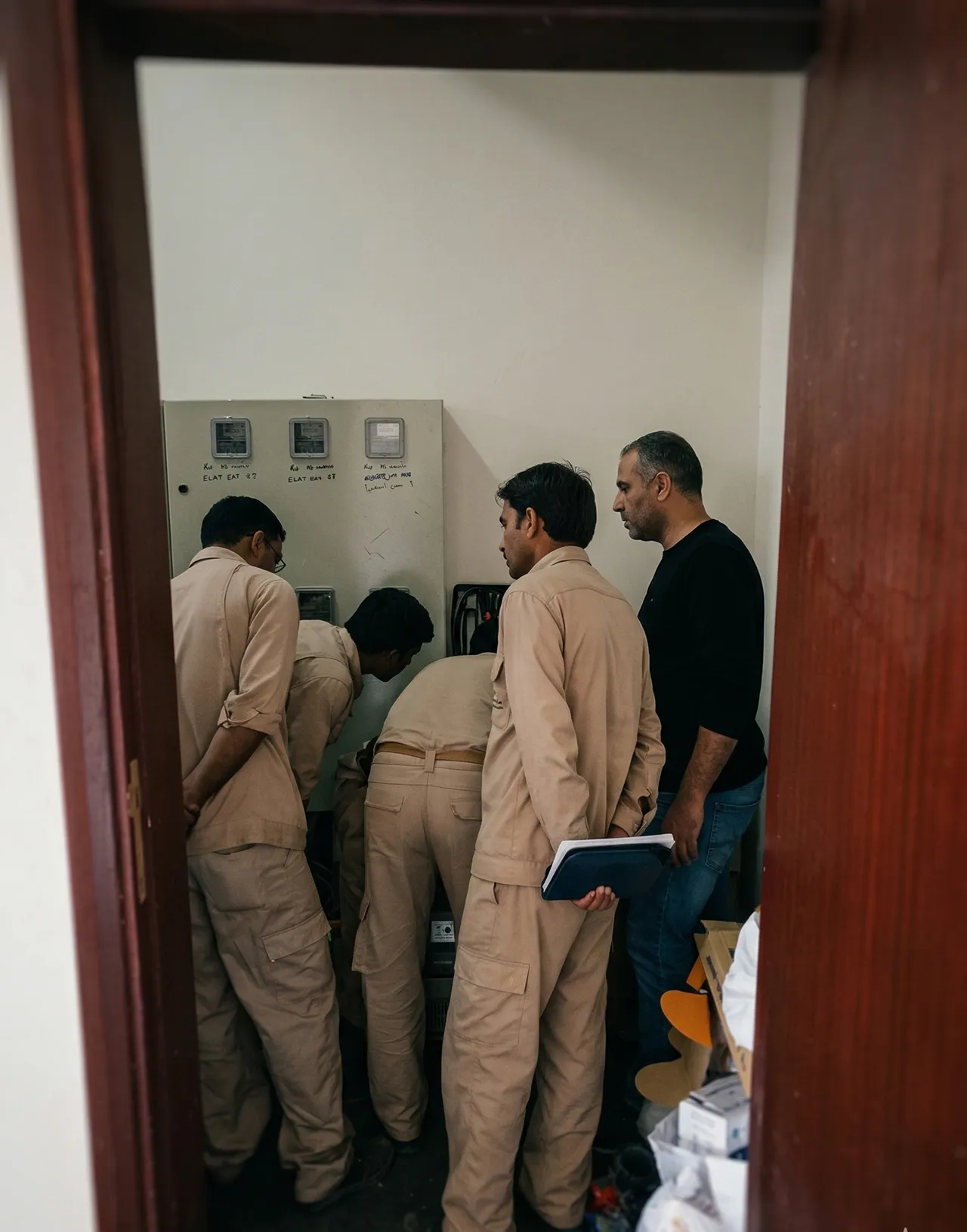
Contractors working on an electrical meter panel

FAQ

Meter Tampering Inspection Questions

What is meter tampering?

Meter tampering is interfering with an electricity, water or gas meter, or its connections, so that it records less than was used. Common forms are bypassing the meter, breaking its seal to alter it, and shorting or reversing connections so that part of the load isn’t measured. It is a form of theft, and utilities count it among their non-technical losses.

What are non-technical losses?

The part of a utility’s losses that isn’t explained by the physics of the network: tampered and bypassed meters, illegal connections, faulty meters and billing errors. They are reduced by finding the affected accounts, inspecting them on site and correcting the meter and the bill.

How do utilities detect electricity theft?

Suspect accounts come from several places: consumption that drops against the account’s history, meter readers who report a broken seal or a bypass, tamper alarms from smart meters, and return visits after a disconnection. An inspector then confirms it on site. Fieldmaster.ai handles that field side: the inspection, the evidence and the report. It also flags readings that are far from an account’s usual consumption during meter reading rounds.

What does a meter tampering inspection record?

The condition of the meter as found, such as tampered, an illegal connection, internal tampering, faulty or burnt, with photos. Then what the inspector did about it: photos after the fix, the new seal number and whether the supply was restored. Every record carries the GPS location, the time and the inspector’s name.

How is the loss estimated?

Each kind of tampering has a loss percentage in a table set up for your contract, for example a set figure when the current on two of three phases was shorted. The app applies it to the case. The utility’s billing team works out the amount to recover from there.

How are inspection tasks created?

Office staff paste account numbers from Excel, with any complaint or note, and each becomes a task on the map with the customer’s details filled in.

Can the office correct a case before the report is issued?

Yes. Details such as the customer name, tariff and tamper date can be corrected in the office, and the report is rebuilt from the corrected record.

Does it work for water meters?

Yes. Water inspections have their own form, including a step for restoring a tampered meter, and their own reports.

Does it work without signal?

Yes. The visit, photos and seal numbers are saved on the phone and sync when the connection returns. The case number is issued once the phone is back online.

How long does it take to set up?

A typical app is live in 10 to 18 working days. Your conditions, case number format, loss table and report layout are set up to match the utility’s requirements.