Every Hazard Reported, Every Fix Verified

Workers report hazards, near misses and incidents from their phone, by voice or photo, in their own language. Inspections, investigations, toolbox talks and permits run in the same app, and every finding becomes a corrective action with an owner and a due date. Each action is closed with a photo and verified by someone else, and TRIR and LTIF are calculated from the records.
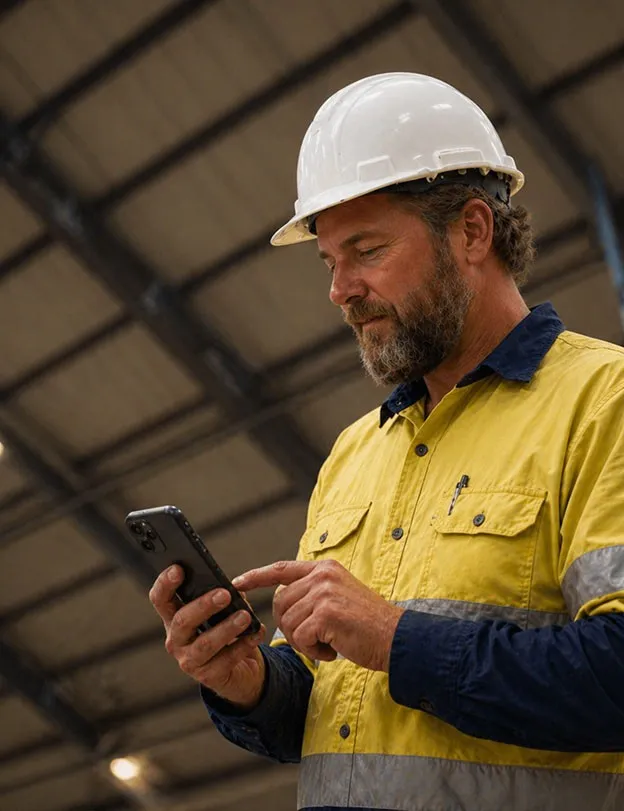
Worker in a white hard hat and a high-visibility shirt using a phone inside an industrial building

The problem

Why HSE Data Arrives Late, or Never

On most sites, observation cards are filled in on paper, if at all, and typed up after the shift. Workers who don’t read or write English well stop reporting. Inspection findings sit in one spreadsheet, incident actions in another, and nobody can say which ones were actually fixed.

Investigations start from a blank page days later. Actions are closed with a line of text and no proof. And TRIR and LTIF are worked out in Excel at month end, when the client asks, from figures nobody can trace back to a record.

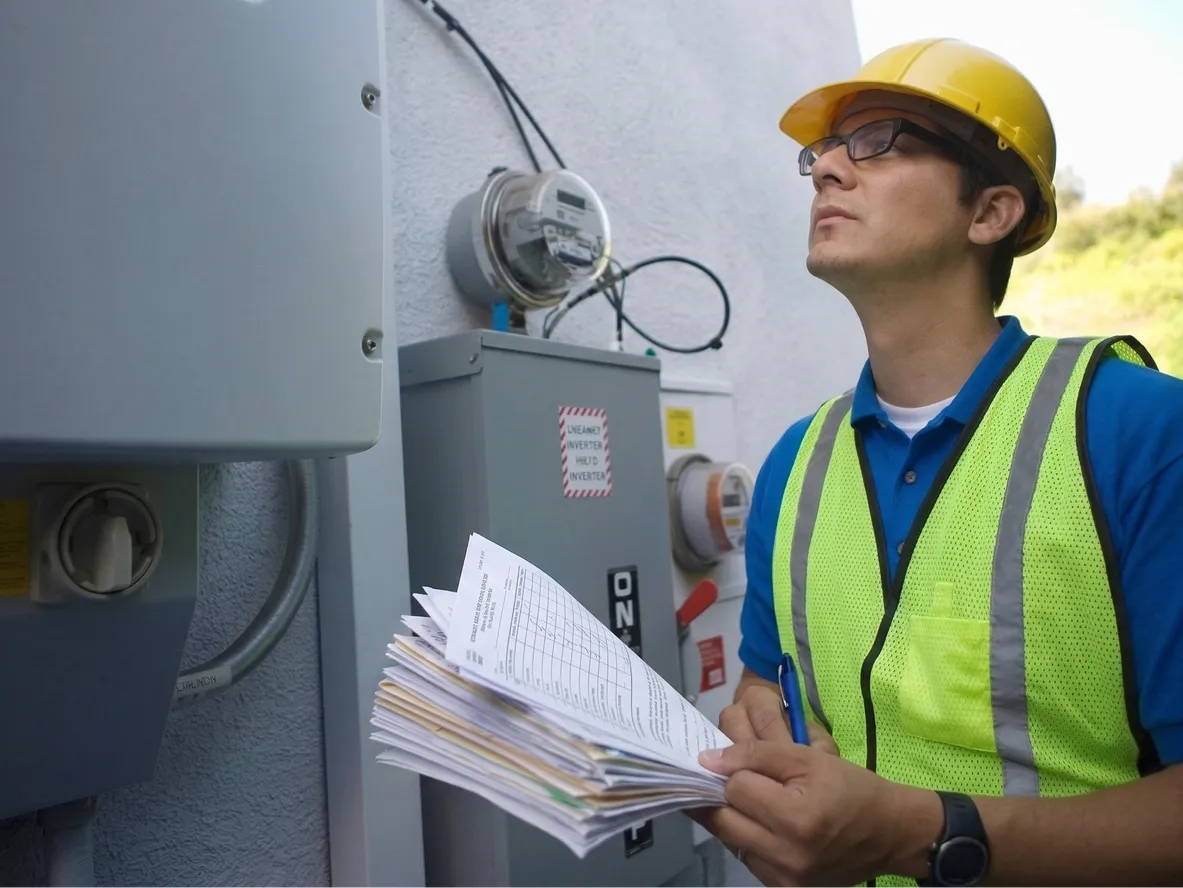
Worker in a hard hat and safety vest holding a stack of paper forms next to electrical equipment

How it works

From the First Report to a Verified Fix

Every module feeds one corrective action register and one dashboard, so nothing is copied between systems.

  1. Report

    Workers raise observation cards and report incidents by voice or photo, with or without signal.

  2. Inspect

    Supervisors walk the site and talk through the checklist. A failed critical item means stop work.

  3. Investigate

    HSE confirms each incident’s classification, and AI drafts the five whys for the investigator to correct.

  4. Act

    Every accepted finding becomes a corrective action with an owner, a priority and a due date.

  5. Verify

    The owner closes the action with a photo. HSE verifies the fix or sends it back.

  6. Measure

    The dashboard shows lagging and leading indicators by site, straight from the records.

Mobile app

The Whole HSE System in Every Supervisor’s Pocket

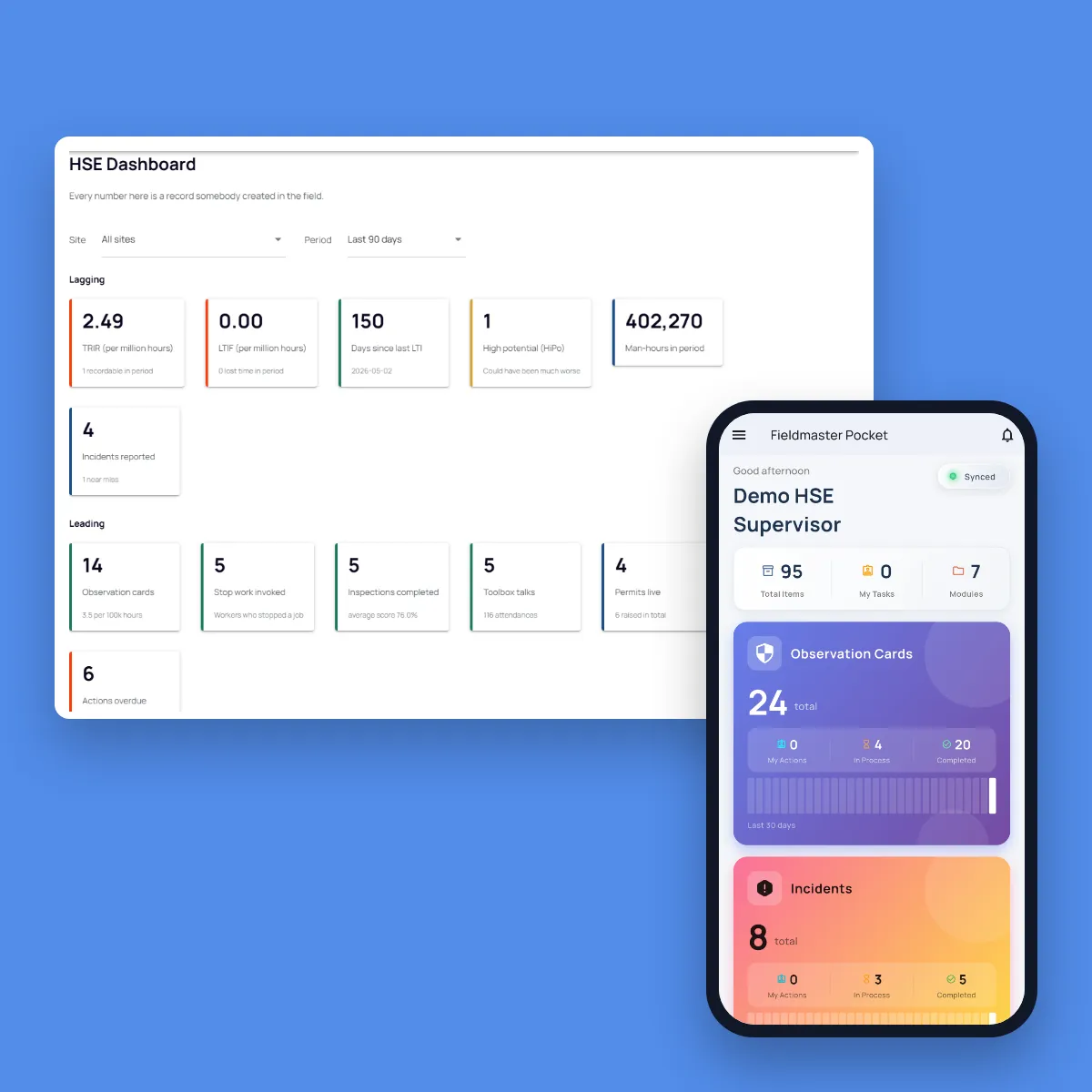
Observation cards, incidents, inspections, corrective actions, toolbox talks and permits all live in one app. Each person sees what’s waiting for them and how their site is doing, and everything they record reaches the HSE dashboard straight away.

The app works without signal and in each worker’s own language, so reports are made on the spot instead of being written up at the end of the shift.

HSE dashboard with TRIR, LTIF and leading indicators, next to the Fieldmaster Pocket home screen showing observation card and incident counts

Track record

Built on a Platform Proven in the Field

HSE Management runs on the same Fieldmaster platform that field operators across the GCC rely on every day.

  • 15M

    Service visits completed

    Field operations across the GCC and other international markets.

  • 600+

    Journeys checked every month

    Driver documents, vehicle documents and pre-trip inspections verified before departure.

  • 2015

    In the field since

    Built by field contractors who ran the work themselves.

Outcomes

What Changes for Your Operation

  • More reports from the field

    One spoken sentence or one photo fills the card, so workers report what they see instead of walking past it.

  • No finding without an owner

    Every accepted finding becomes an action with a named owner and a due date set by its priority.

  • Fixes you can prove

    Actions close with a photo of the finished work, graded by AI, and are verified by someone other than the owner.

  • Investigations that start with a draft

    The five whys, root causes and recommended actions are drafted from the report, ready for the investigator to correct.

  • Rates without spreadsheets

    TRIR, LTIF and days since the last lost time injury are calculated from the incidents and man-hours in the app.

  • One standard across every site

    All sites use the same checklists, categories and rules, and each supervisor sees only their own sites.

Why field focus matters

What Happens When Workers Are Left Out

When reporting means a form in English, the people who see hazards first stop reporting them, and you’re managing safety on whatever reaches the office.

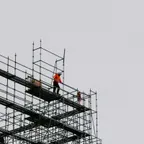
  • A worker in an orange jacket and white hard hat stands on a high steel scaffold platform against a grey sky.

    Incidents you never saw coming

    Workers who don’t read English skip the observation cards, so the near misses that warn of an incident never reach you.

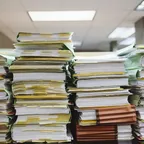
  • Tall stacks of paper files and folders piled up in an office

    Your week spent typing up paper

    Cards and inspection sheets pile up for your team to type in, and by the time a hazard reaches you, it’s days old.

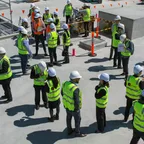
  • A group of people in hard hats and hi-vis vests gathered in a circle on a concrete rooftop at a construction site.

    Briefings you can’t prove landed

    Toolbox talks are read out in one language and signed on a sheet, so after an incident you can’t show who understood them.

  • A pile of broken bricks beside a brick wall with torn yellow caution tape sagging from an orange traffic cone.

    Actions closed on paper only

    Corrective actions are marked closed with a line of text, and an auditor or the client is the first to find the barrier never went up.