.png)
From Collection to Compliance: Mastering Waste Management with Technology
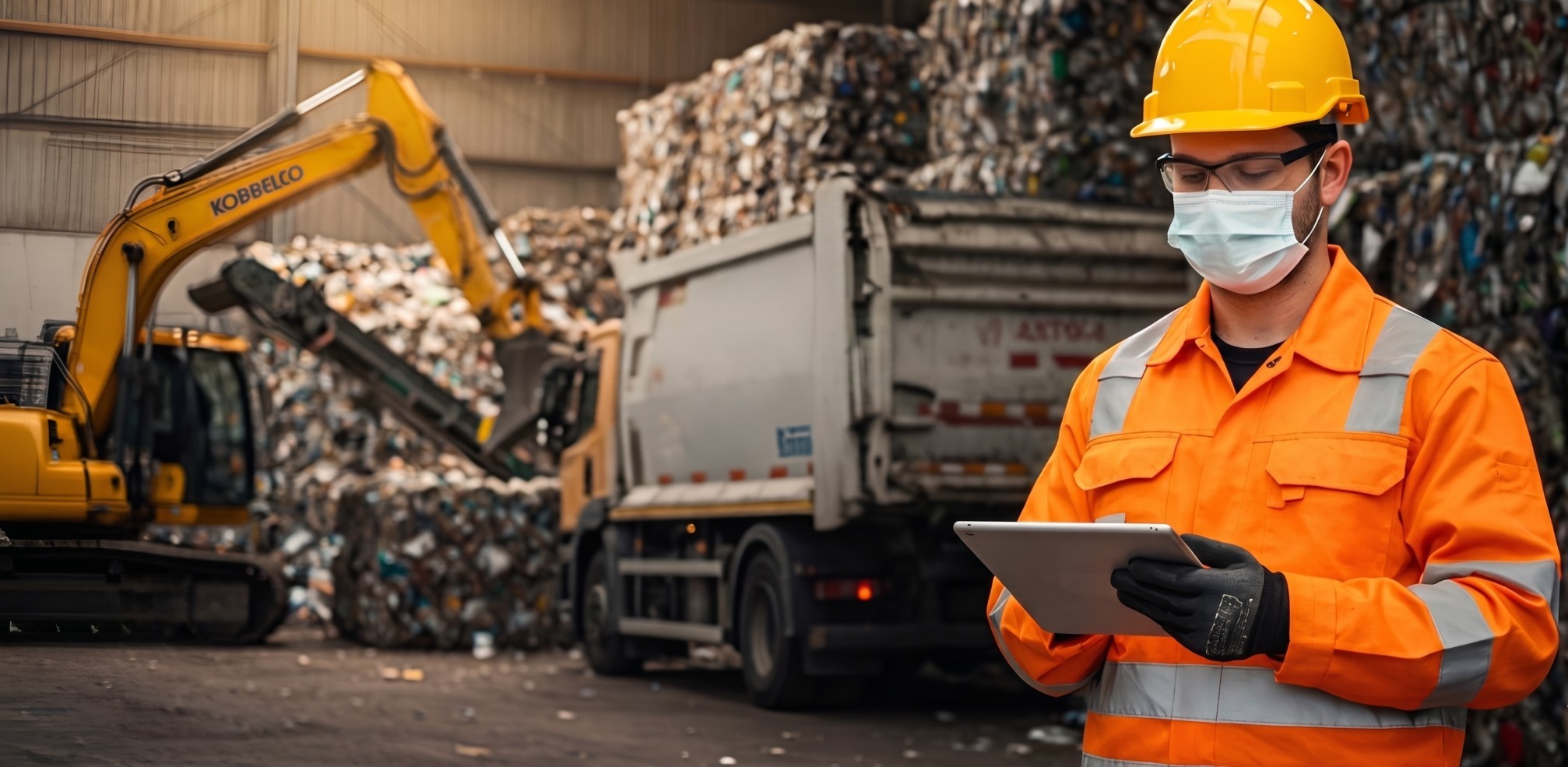
Waste management isn’t just about collecting and disposing of trash. It requires efficiency, regulatory compliance, and environmental responsibility. A well-structured digital platform helps cities, industries, and hazardous waste handlers organize operations, respond quickly to issues, and stay compliant with laws.
Modern Approach to Waste Management
Dealing with waste is a constant challenge for cities and industries alike. Even with well-planned collection schedules, unexpected situations arise—bins overflow, and hazardous waste spills demand immediate action. A smart waste management system adapts to these challenges with on-demand waste collection, allowing field teams to report full bins, triggering instant route adjustments to prevent buildup. In critical situations, digital tools enable rapid coordination and response, minimizing health and environmental risks while keeping operations running smoothly.
1. Smart Bin Monitoring & Collection Tracking:

- Route Planning & Crew Dispatch: Assigns tasks based on bin fill levels, location, and optimized routes to avoid delays.
- Collection Status Tracking: Real-time updates help dispatchers and field teams track which bins are cleared and which still need attention.
- Regulatory Documentation for Hazardous Waste: Industries handling hazardous waste can maintain digital records for compliance and audits.
2. Handling Overflow and Unexpected Waste Pickups
Even well-planned schedules can’t prevent every overflow. A flexible system ensures teams can respond quickly:
- On-Demand Waste Collection: Teams report full bins, and managers adjust collection routes in real time.
- Emergency Response for Hazardous Waste: Digital tools enable quick action for spills or hazardous waste issues, minimizing risks to public health and the environment.
3. Improving Waste Segregation Practices
Proper waste sorting at the source is essential for recycling and responsible disposal. Digital tools help improve these efforts:
- Digital Waste Sorting Checklists: Field teams log waste segregation quality, ensuring proper sorting for recycling or disposal.
- Segregation Data & Analysis: Tracks sorting trends over time, helping organizations improve recycling programs and stay compliant.
How Cities and Industries Benefit from Smart Waste Management
For City Officials and Waste Management Authorities:
📍 Live Waste Collection Tracking: Dashboards provide real-time updates on bin fill levels, collection progress, and fleet movement, allowing better resource management.
♻️ Waste Volume & Recycling Analytics: Data-driven insights help officials track waste generation and recycling rates, supporting sustainability efforts.
🚛 Fleet Oversight & Route Optimization: Monitors vehicle movement, fuel consumption, and route efficiency to improve waste collection operations.
📜 Regulatory Compliance & Documentation: Maintains digital records of waste collection, transportation, and disposal, simplifying audits and ensuring legal compliance.
The Digital Shift in Waste Handling
A smart waste management system helps teams:
- Deploy collection crews and vehicles based on real-time waste levels, scheduled pickups, and urgent disposal needs.
- Optimize collection routes, cutting fuel costs, reducing vehicle wear, and preventing delays.
- Maintain digital compliance records, ensuring precise tracking of hazardous and industrial waste.
- Track waste segregation efforts, analyze recycling data, and uphold environmental policies.
At Fieldmaster.ai, we offer intelligent solutions for efficient waste routing, environmental compliance, and sustainable operations. Click here to learn more.
A Practical Path Forward
The waste management industry continues to evolve, and technology is making it easier to keep up. Fieldmaster.ai provides teams with the tools they need to manage collection, compliance, and waste tracking efficiently, helping cities and industries maintain cleaner environments and safer disposal practices.
.png)

"Fieldmaster.ai transformed how we manage our operations across multiple sites. The accuracy we gained from field-first data collection eliminated costly mistakes and saved us months of reconciliation work."
Ready to transform operations
Discover how Fieldmaster helps companies like yours achieve field KPIs with precision and speed.

Stay ahead in the field
Get insights and strategies delivered to your inbox every week from Fieldmaster.
FAQs
Questions about field-first data and how Fieldmaster works
Field-first data is information captured at the source, where work actually happens. Instead of relying on reports compiled hours or days later, it's collected in real-time by workers on the ground. This approach eliminates the gaps and inaccuracies that come from office-based data collection.
FieldMaster AI's mobile app functions completely offline. Workers collect data without internet connectivity, and when the connection returns, all information syncs automatically. Nothing is lost, and operations continue uninterrupted regardless of network conditions.
Yes. Our native mobile app is built with zero-effort multilingual support. Workers of any ethnicity or language background become instantly familiar with the interface. There's no language barrier to adoption or understanding.
It means each user sees only the information relevant to their role. A supervisor has different access than a manager, who has different access than a field worker. This keeps operations organized and ensures people focus on what matters to them.
We've been in business since 2015, starting as field contractors ourselves. That experience shaped everything we built. We've added over $200 million in value to projects across the GCC by focusing on what actually works in the field.