.png)
How SLA Assurance Improves Service Reliability & Customer Trust

In field service, timelines matter. Whether it’s a scheduled installation or a critical repair, customers expect clarity and consistency. Service Level Agreements (SLAs) have long been used to set those expectations. But defining them is only the beginning. Meeting them every day, across different teams and locations, is what makes a difference in how customers perceive your service.
SLA Assurance features are built to help organizations stay accountable to those commitments. They bring structure, visibility, and responsiveness into everyday operations.
"Key Benefits of SLAs in Strengthening Customer Trust and Operational Clarity"
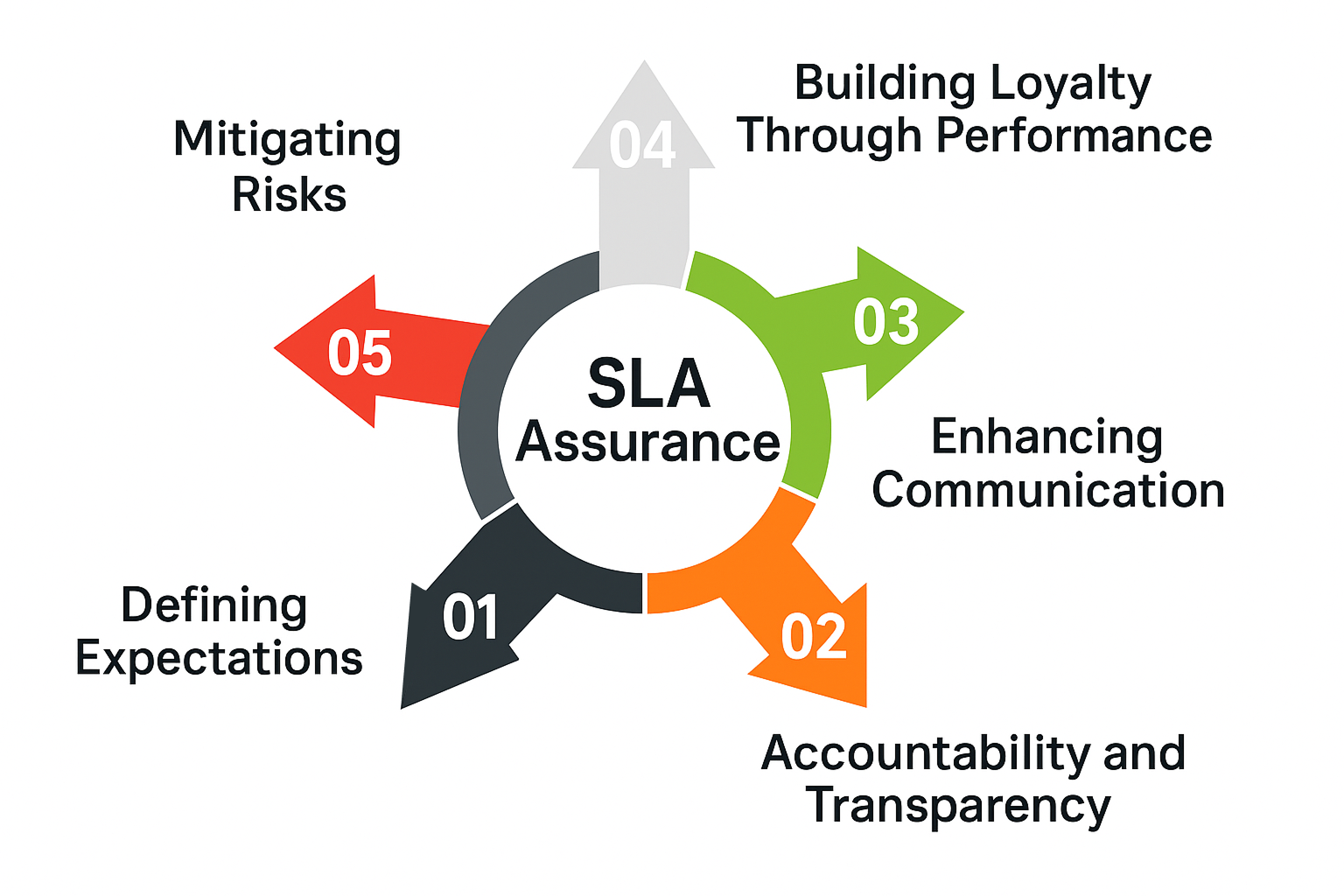
Staying Alert When Timelines Are at Risk
Delays don’t happen overnight; they start with missed signals. Without timely alerts, teams may not realize a task is falling behind until it’s too late. SLA Assurance solves this by escalation workflows. When a task nears its deadline, notifications go out immediately to the right people whether technicians on the ground, supervisors overseeing teams, or customer service staff.
These alerts empower teams to act fast: reassigning tasks, shifting priorities, or proactively updating customers about any changes. This prevents surprises, reduces unnecessary follow-ups, and keeps everyone aligned.
Real-Time Monitoring That Keeps Everyone Aligned
Managing field operations across multiple zones can be complex. Without clear visibility, it’s easy for some tasks to slip through the cracks. Real-time SLA dashboards provide a live snapshot of ongoing work, showing which tasks are on track and which need attention.
This visibility allows managers to intervene before minor issues become major problems. It helps maintain steady service quality, even when workloads spike or unexpected obstacles arise. Instead of reacting after a failure, teams stay proactive.
Why This Matters for Customer Experience
Customers don’t just want their issues resolved, they want to feel confident and informed throughout the process. Consistently meeting SLAs builds trust because it shows reliability. When customers receive timely updates and see clear progress, they feel respected and valued.
SLA Assurance proves that meeting commitments isn’t just marketing talk but a day-to-day reality. This transparency and consistency shape positive customer perceptions and long-term loyalty.
Conclusion: Building Reliability Through Accountability
SLA Assurance is more than tracking deadlines; it's about creating dependable field operations. By setting realistic, context-based SLAs, enabling early warnings for delays, and providing clear visibility into progress, businesses replace uncertainty with control.
This approach reduces firefighting and guesswork. Field teams focus on delivering quality service, supervisors manage with confidence, and customers experience consistency. Ultimately, SLA Assurance strengthens customer relationships by delivering on promises building trust through actions, not words.
.png)

"Fieldmaster.ai transformed how we manage our operations across multiple sites. The accuracy we gained from field-first data collection eliminated costly mistakes and saved us months of reconciliation work."
Ready to transform operations
Discover how Fieldmaster helps companies like yours achieve field KPIs with precision and speed.

Stay ahead in the field
Get insights and strategies delivered to your inbox every week from Fieldmaster .
FAQs
Questions about field-first data and how Fieldmaster works
Field-first data is information captured at the source, where work actually happens. Instead of relying on reports compiled hours or days later, it's collected in real-time by workers on the ground. This approach eliminates the gaps and inaccuracies that come from office-based data collection.
FieldMaster AI's mobile app functions completely offline. Workers collect data without internet connectivity, and when the connection returns, all information syncs automatically. Nothing is lost, and operations continue uninterrupted regardless of network conditions.
Yes. Our native mobile app is built with zero-effort multilingual support. Workers of any ethnicity or language background become instantly familiar with the interface. There's no language barrier to adoption or understanding.
It means each user sees only the information relevant to their role. A supervisor has different access than a manager, who has different access than a field worker. This keeps operations organized and ensures people focus on what matters to them.
We've been in business since 2015, starting as field contractors ourselves. That experience shaped everything we built. We've added over $200 million in value to projects across the GCC by focusing on what actually works in the field.