
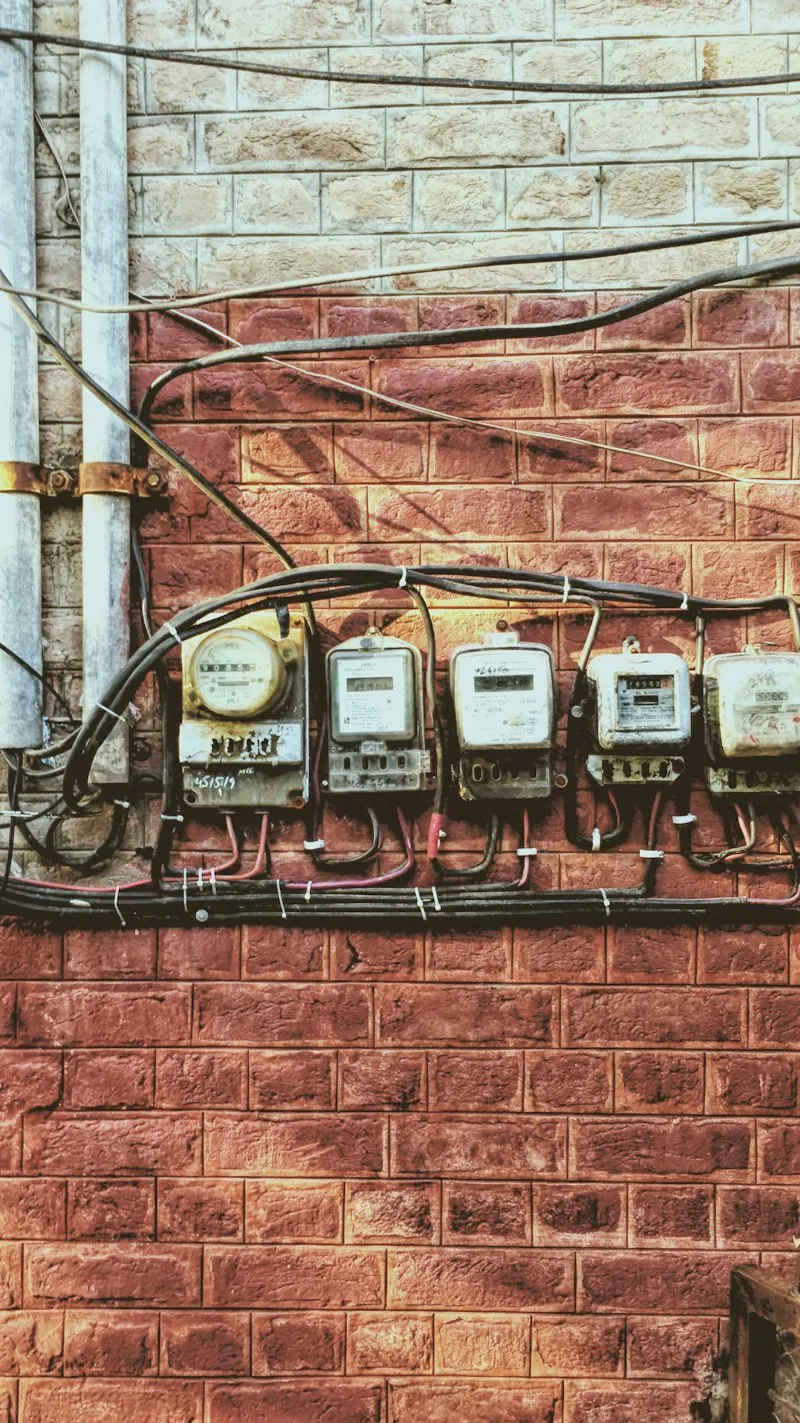
Meter tampering is interfering with an electricity, water or gas meter, or with its connections, so that it records less than was actually used. It is a form of theft. For the utility it is also a safety problem, because tampered electrical installations cause fires and shocks.
Utilities count tampering among their non-technical losses: the part of their losses that comes from theft, faulty meters and billing errors, not from the physics of the network.
Common Forms of Tampering
Inspectors usually sort what they find into a few groups:
- A bypass. The supply is taken around the meter, so some or all of the load is never measured.
- A broken seal. The meter’s seal or cover has been opened to alter the meter inside.
- Altered connections. On larger electricity meters, connections are shorted, reversed or removed so that one or more phases are not measured.
- Interference with the meter. The meter is slowed, stopped or damaged from outside.
- An illegal connection. A supply is taken from the network with no meter at all, or reconnected by the customer after the utility disconnected it.
The exact categories matter, because the utility’s rules usually set a different charge for each one.
How Utilities Find Suspect Accounts
No single method finds every case. Most utilities combine several.
- Consumption checks. An account whose consumption drops sharply against its own history, or sits far below similar premises, is flagged for a visit.
- Meter readers. Readers see the meter every cycle. A broken seal, a loose cover or wiring that doesn’t look right is reported from the round.
- Smart meter alarms. Modern meters report events such as an opened cover or reversed flow.
- Area comparisons. The energy sent into an area is compared with the energy billed there, to find areas where losses are high.
- Return visits after disconnection. A supply that was disconnected for non-payment is checked again some days later to see whether it has been reconnected illegally.
- Reports from the public.
All of these produce a list of accounts to inspect. They do not prove anything by themselves.
What an Inspector Has to Record
A tampering case is only as strong as the evidence collected at the meter. A charge that the customer disputes will be judged on the file.
- Proof of the visit. A photo of the premises on arrival, with the location and the time.
- The meter as found. Photos before anything is touched, with the meter number and the seal numbers.
- The condition. Which kind of tampering was found, described in the utility’s own categories.
- Measurements, where needed. For example, the load measured with a clamp meter against what the meter shows.
- The fix. What was corrected, photos afterwards, and the number of the new seal.
- Whether supply was restored.
- A case number and a signed report.
The loss itself is normally assessed by the utility under its regulations, often from the kind of tampering found and the connected load.
Where Paper Inspections Break Down
- Photos are taken on a personal phone, with no location or time attached.
- The case number is issued from a register in the office, days after the visit.
- The report is typed later from handwritten notes, and details are lost.
- Nobody can show which seal was fitted after the fix.
- Repeat cases at the same premises are found only if someone remembers the address.
What an Inspection App Adds
- Evidence stamped at the meter. Every photo carries the GPS location, the time and the inspector, and fake location apps are rejected.
- The same questions every time. The form asks for the condition, the seal numbers and the after photos, so nothing is left out.
- A case number on site. Numbered in the utility’s format before the inspector leaves.
- The report built from the record. A PDF in the utility’s layout, ready the same day.
- Figures by type, inspector and area. Daily, weekly and monthly, without anyone compiling them.
How Fieldmaster Approaches It
Fieldmaster builds the inspection app around the utility’s own categories, case number format and report layout. Inspectors record tampered meters and illegal connections on the phone, with photos before and after the fix, the new seal number and whether supply was restored. Each case gets a number and an estimated loss percentage from the kind of tampering found, and a tampering or illegal-connection report is produced as a PDF with Arabic text. The same platform runs meter reading rounds that flag unusual consumption, and the site visits that follow a disconnection.
See the details on our meter tampering inspections page, how it fits Utility Revenue Protection, or talk to us about your inspections.