
Every Purchase Approved, Every Part Accounted For

Run every material request, vendor quote, approval, purchase order, goods receipt and stock issue on one approval trail. Live stock across all your stores shows while people request and order, so you stop buying parts you already have.
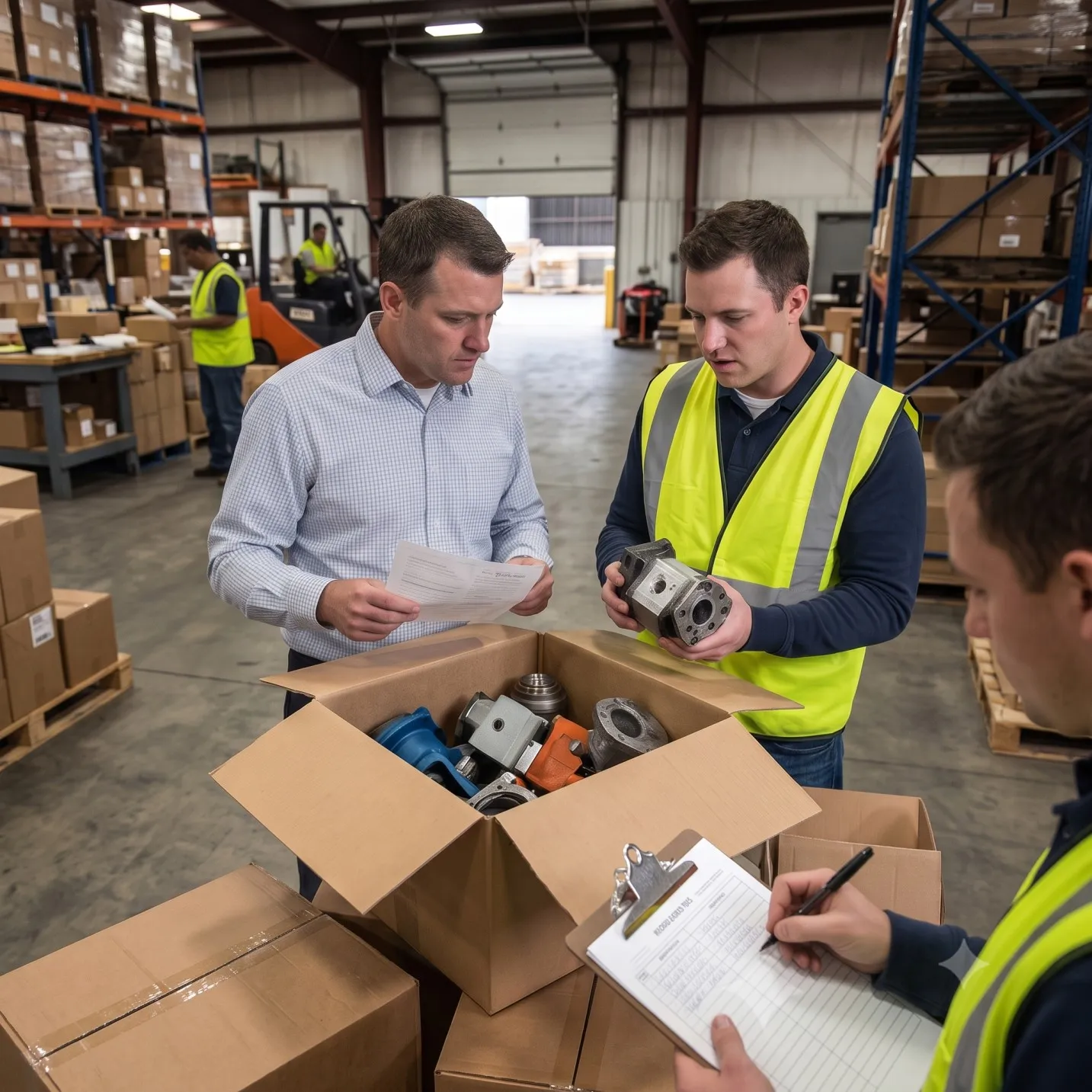

Warehouse staff checking delivered parts against a purchase order

The problem

Why Office ERPs Slow Down the Workshop

Traditional ERPs are built for accountants at a desk, not for the mechanics and storekeepers who actually handle the materials. When field workers have to navigate complex office software, work around language barriers or type exact part codes just to request a part, the whole purchasing cycle slows down.

Approvals sit in inboxes and nobody can see which stage is holding them up. Stock in the other store is invisible, so the same part gets bought twice. Quotes arrive by email and are hard to compare, warehouses receive more than was ordered, and parts leave the shelf without a record.

Worker in a hard hat and high-visibility shirt using a phone in a warehouse

How it works

From Demand to Delivery to Stock Issue

Every stage is connected, so materials move without delays or paperwork gaps.

  1. Request

    Mechanics raise material requests from the app with a photo or a voice note in their own language. Purchasing identifies the exact item and pools the request with other open demand.

  2. Source and approve

    Vendors quote through a secure link, AI Check compares every bid line by line, and each order moves through your approval chain, from workshop to finance to GM.

  3. Receive and issue

    Deliveries are checked against the purchase order, and parts are issued to work orders with photo proof, updating stock in every store instantly.

Proof

Proven at Warehouse Scale

Numbers from an operator in the GCC that runs its purchasing and stores on Fieldmaster.

  • 85,000+

    SKUs under management

    Every item tracked across stores, from requisition to issue.

  • 500+

    Purchase orders a month

    Each one traceable from the first request to the final payment.

Results

What Changes for Your Operation

  • Inventory counts you can trust

    Stock updates in every store the moment parts are received, issued or transferred, not at the end of the month.

  • No duplicate orders

    Live stock by store shows while people request and order, and each request line can only go on one purchase order.

  • Approvals that keep moving

    Dashboards show where every document is waiting, and reminders chase anything that stalls.

  • Lower purchasing costs

    Vendor price history, line-by-line quote comparison and an AI recommendation point each item to the best offer.

  • No over-receiving

    Quantities above the purchase order are blocked at the loading dock, and rejected goods are recorded.

  • Proof of every part used

    Photo-verified stock issues show which vehicle or work order each part went to, and when.

Why field focus matters

What Happens When the Workshop Is Left Out

When requesting a part means an office ERP and an exact part code, the workshop works around the system, and you spend your day chasing what people actually need.

  • A mechanic in a blue cap and grease-stained hands looks at a smartphone while sitting beside motorbikes in a workshop.

    Hours on the phone decoding requests

    Requests arrive as calls, chat photos and vague descriptions, so you spend your time chasing mechanics to work out which part they actually need.

  • A vehicle with its hood raised and engine exposed sits in a dim workshop behind a hanging hoist chain and hook.

    Buying parts you already have

    You can’t see the stock in the other store, so you order a part again while it sits on a shelf there, and the vehicle stands idle until it arrives.

  • A worker pulls a red pallet jack stacked with cardboard boxes across a bright warehouse floor, with empty pallets and a trolley nearby.

    Paying for what never arrived

    Deliveries are checked against a printout, so short, extra or damaged items get paid for, or argued over with the vendor weeks later.

  • A storeroom worker in a blue uniform checking a paper list against stock on shelves of blue parts bins

    Stock counts that never add up

    Parts are handed over the counter without a record, so losses only show at the stock count, with no way to trace them.