.png)
.png)
Incentive programs often fail, not because the rewards are wrong, but because they’re built on incomplete or disconnected metrics. When employees only see part of the picture, they optimize for what’s measured, even if it doesn’t align with the company’s true values. Without a transparent and structured system that balances all relevant performance indicators, this approach leads to short-term wins, but damages long-term performance, trust, and compliance. A major issue is the lack of real-time visibility into performance. Without this transparency, employees can’t track their progress or adjust their behavior to meet evolving business needs, creating a gap between actions and company goals.
Real-World Breakdowns from Poorly Designed Incentives
Banking and Finance- The Wells Fargo scandal showed how misaligned reward systems can damage trust. Employees, pressured by aggressive sales incentives, opened over 2 million unauthorized accounts. Regulators, including the Consumer Financial Protection Bureau (CFPB), later confirmed that unrealistic targets can push employees toward misconduct instead of genuine performance.
Logistics and Delivery- In delivery platforms, incentive structures often reward speed above all else. Couriers are penalized heavily for late deliveries, which pressures them into unsafe driving. A study of Chinese platforms linked thousands of road accidents within six months directly to incentive models that prioritized deadlines over safety. Similarly, warehouses that paid workers by items picked per hour often saw error rates rise as accuracy was sacrificed for volume.
Utilities - Utility providers sometimes reward crews primarily on restoration speed. While outages may be cleared faster, safety checks and reporting accuracy often suffer. Regulators and auditors have documented cases where outage performance looked strong in dashboards, but compliance reviews later uncovered lapses that hurt long-term reliability and customer trust.
Industrial Safety- In manufacturing, “zero accident” bonuses are meant to improve workplace safety. But workers often underreport incidents to protect rewards. The result: sites look safer on paper, while real risks remain hidden and grow over time.
Across industries, the message is the same: incentive programs without the right structure create risks instead of results.
Why Incentive Programs Fail Without a Clear Model
Reward systems that lack structure often fail for predictable reasons:
- Short-term focus: Sales bonuses may boost quarterly results but damage customer loyalty.
- Conflicting priorities: Teams chase different targets—cost, speed, or volume—creating silos.
- Metric gaming: Employees find loopholes to meet targets while weakening overall performance.
- Erosion of standards: Under pressure, people cut corners, risking compliance or safety.
A supply chain study confirmed that fragmented incentives led to excess inventory, missed forecasts, and poor service levels (Elsevier, 2019).
Designing Incentives That Actually Work
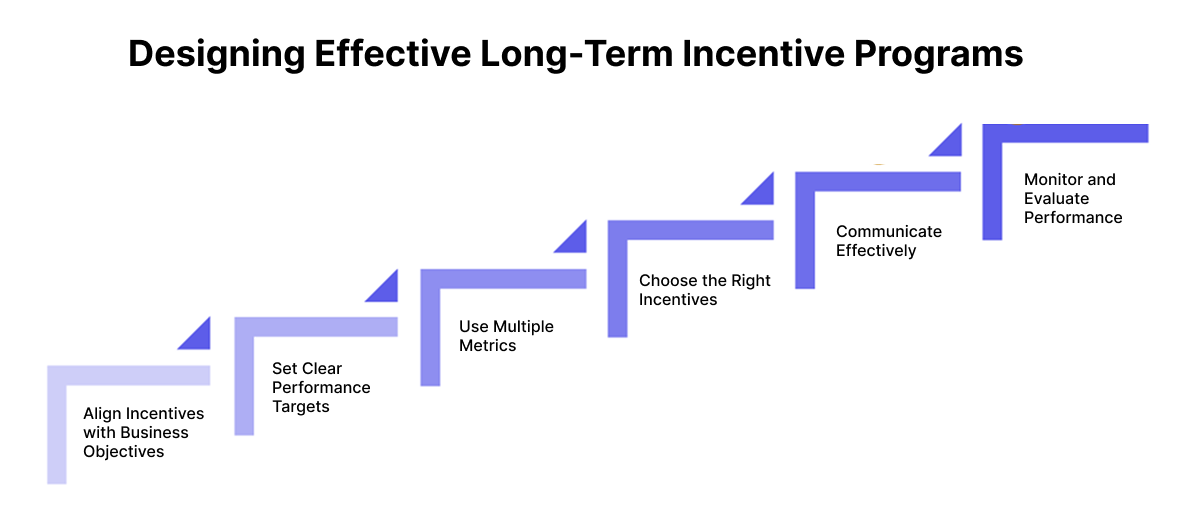
Structured programs that succeed share a common framework:
- Balanced KPIs – Blending efficiency, quality, compliance, and customer satisfaction.
- Real-Time Visibility – Showing staff their live performance against rewards.
- Cross-Functional Rewards – Encouraging collaboration, not silos.
- Continuous Feedback – Regular audits and adjustments to stay aligned with goals.
Proven examples show this works:
- DHL (Logistics): Shifted to balanced scorecards including delivery accuracy and safety, tracked in real time, leading to higher reliability and fewer accidents.
- Toyota (Manufacturing): Incentives tied to team-based quality and compliance, with daily digital boards showing progress. Workers saw issues immediately and solved them instead of hiding them.
- Southwest Airlines (Aviation): Ground crews rewarded on turnaround speed, safety, and customer satisfaction, with transparent reporting. This balanced performance without sacrificing safety.
- Infosys (Technology Services): Live dashboards linked bonuses to delivery timelines, customer feedback, and compliance. Employees adjusted proactively because they could see their scores change daily.
These companies built structured incentive models internally, but most organizations don’t have the resources or IT infrastructure to replicate them. That’s where modern operations platforms come in.
Aligning Incentives with Real Business Goals
Incentives will always shape employee motivation, but the real question is whether they create alignment or expose risks. Modern operations management platforms provide the foundation for sustainable, data-driven incentive programs. By connecting workflows, compliance metrics, performance data, and customer outcomes in one place, they ensure rewards reflect reality rather than assumptions. With real-time visibility into both performance and rewards, employees can see the direct impact of their actions and adjust immediately.
When built on a structured model, incentive programs shift from being a liability to becoming a reliable driver of motivation, collaboration, and long-term business success.
.png)

"FieldMaster.ai transformed how we manage our operations across multiple sites. The accuracy we gained from field-first data collection eliminated costly mistakes and saved us months of reconciliation work."
Ready to transform operations
Discover how FieldMaster AI helps companies like yours achieve field KPIs with precision and speed.

Stay ahead in the field
Get insights and strategies delivered to your inbox every week from FieldMaster AI.
FAQs
Questions about field-first data and how FieldMaster AI works
Field-first data is information captured at the source, where work actually happens. Instead of relying on reports compiled hours or days later, it's collected in real-time by workers on the ground. This approach eliminates the gaps and inaccuracies that come from office-based data collection.
FieldMaster AI's mobile app functions completely offline. Workers collect data without internet connectivity, and when the connection returns, all information syncs automatically. Nothing is lost, and operations continue uninterrupted regardless of network conditions.
Yes. Our native mobile app is built with zero-effort multilingual support. Workers of any ethnicity or language background become instantly familiar with the interface. There's no language barrier to adoption or understanding.
It means each user sees only the information relevant to their role. A supervisor has different access than a manager, who has different access than a field worker. This keeps operations organized and ensures people focus on what matters to them.
We've been in business since 2015, starting as field contractors ourselves. That experience shaped everything we built. We've added over $200 million in value to projects across the GCC by focusing on what actually works in the field.